
Understanding the Concept of a Manclub
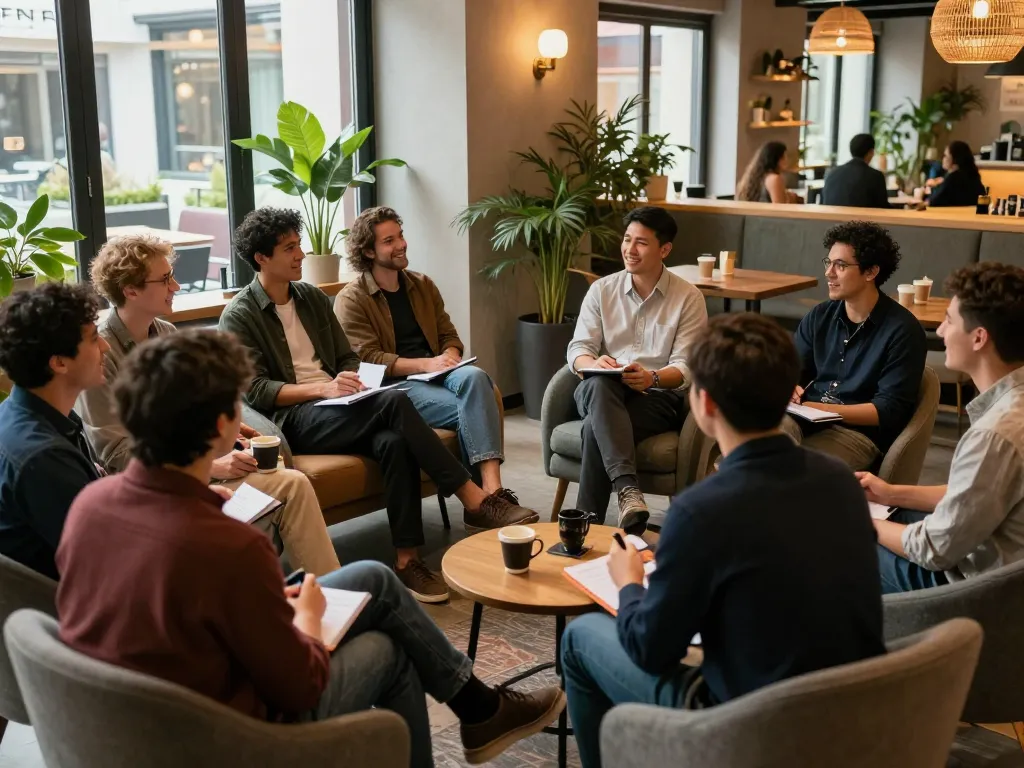
The term “manclub” encapsulates a growing movement among men to create supportive environments where they can openly discuss their experiences, share their feelings, and encourage one another. In a society that often stigmatizes male vulnerability, manclubs offer a refuge of camaraderie and understanding. These clubs can vary widely in their structure and activities but are united by a common mission: to foster connections among men for personal growth and emotional well-being. When exploring options, manclub provides comprehensive insights into how these communities can nurture mental health and promote open dialogue.
What is a Manclub?
A manclub is essentially a support group designed specifically for men, where members can engage in conversations that span a wide range of topics, from personal struggles to shared interests. Unlike traditional social groups, manclubs emphasize emotional openness and vulnerability, often focusing on mental health issues that affect men predominantly. Many manclubs also provide resources such as workshops, seminars, and peer-to-peer support systems that empower members to confront personal challenges collectively.
The Importance of Male Support Networks
In many cultures, men are often conditioned to suppress their emotions, leading to isolation and mental health challenges. Male support networks, such as manclubs, play an essential role in combating this stigma. They provide a platform for men to express themselves without fear of judgment, which is vital for emotional healing and growth. Studies have shown that men who actively participate in support groups report lower levels of anxiety and depression, highlighting the critical need for these spaces.
A Brief History of Manclubs Around the World
The concept of manclubs isn’t entirely new; various forms of male bonding and support have existed throughout history. Organizations like the Freemasons and men’s sheds in Australia have long provided environments for men to connect. However, the modern iteration of manclubs has emerged in response to the increasing awareness of mental health issues among men, particularly after the 2000s. In recent years, initiatives such as Andy’s Man Club, which offers free peer support across the UK, have popularized the model and shown its potential for positive impact.
Creating an Inclusive Environment
Inclusivity is a cornerstone of effective manclubs. To foster a space where all members feel safe and welcome, organizers must be mindful of the diverse backgrounds, experiences, and identities of the men they wish to serve. This involves cultivating a culture of respect and understanding, allowing for a broader dialogue that takes into account varying perspectives. Implementing clear guidelines that promote respectful interactions can further underline the commitment to inclusivity.
Building Trust and Openness
Establishing trust within a manclub is paramount for encouraging members to share their vulnerabilities. Trust can be built through consistent communication, transparency in leadership, and active listening practices among members. Facilitators can create opportunities for personal storytelling, which assists in forming emotional connections and reinforces the idea that every member’s experience is valid and valued.
Strategies for Inclusivity in Discussions
To ensure inclusivity in discussions, manclubs can implement various strategies. These may include regular check-ins where members can voice their concerns about the group’s dynamics, providing an anonymous feedback mechanism, or rotating discussion topics that appeal to a wide range of interests. Group activities that foster collaboration, such as team-building exercises or community outreach projects, can also help members to engage more fully and feel a part of the collective.
Addressing Common Misconceptions
One of the significant challenges manclubs face is the prevalence of misconceptions surrounding their purpose. Some may view these groups as exclusionary or perpetuating gender stereotypes. Addressing these misconceptions involves clear communication about the club’s objectives and the positive social impacts they aim to achieve. Educational workshops that discuss gender roles and mental health can help dispel myths and foster a more comprehensive understanding of the benefits of male support networks.
Activities to Foster Connection
Engaging activities are vital in creating connections among members of a manclub. Through structured events and informal gatherings, members can explore shared interests while developing meaningful relationships. The right mix of activities can help break the ice and encourage more profound conversations that lead to personal reflections and bonding.
Engaging Events and Workshops
Hosting events such as workshops on mental health, stress management, or even practical skills like cooking or woodworking can provide valuable knowledge while encouraging discussion. Workshops not only allow for skill development but also create opportunities for members to connect over shared learning experiences, reinforcing the community aspect of the club.
Utilizing Outdoor Activities for Bonding
Outdoor activities such as hiking, camping, or team sports can be excellent for fostering connections. These activities promote teamwork and camaraderie while allowing members to share experiences outside the traditional meeting space. The physical activity involved can also contribute positively to mental health, making these outings beneficial for emotional well-being.
Digital Platforms for Online Connection
In an increasingly digital world, leveraging online platforms for connection can expand the reach and inclusivity of manclubs. Virtual meetings and social media groups provide opportunities for men from various locations to participate and share their experiences. These platforms can be particularly beneficial for those who may feel isolated or have mobility challenges, ensuring that distance does not hinder support and connection.
Overcoming Challenges in Manclub Initiatives
While the benefits of manclubs are clear, establishing and maintaining one can come with its own set of challenges. Understanding these issues and developing strategies to address them is crucial for sustaining momentum and engagement within the group.
Identifying and Tackling Resistance
Resistance can manifest in many forms, whether from prospective members hesitant to join or from existing members unwilling to open up. To counter this, it’s beneficial to create an inviting atmosphere that emphasizes the value of participation. Facilitating initial meetings in a casual, low-pressure environment can encourage more men to attend and engage, decreasing perceived barriers to entry.
Maintaining Engagement Over Time
To keep members actively engaged, regular feedback is essential. Conducting surveys or informal discussions about what members enjoy and what they seek to change can guide future planning. Additionally, integrating new activities or guest speakers can keep the experience fresh and exciting, minimizing the risk of complacency within the group.
Measuring Success and Impact
Establishing metrics for success can help manclubs evaluate their impact over time. This could involve tracking member attendance rates, gathering qualitative feedback through testimonials, or assessing changes in members’ self-reported mental health metrics. By demonstrating the positive effects of their initiatives, clubs can secure more support and resources to continue their good work.
Future Trends for Manclubs in 2026 and Beyond
As we look ahead, the landscape for manclubs is poised for significant evolution. Emerging trends in technology, mental health awareness, and changing societal norms will shape how these communities operate and the support they provide.
Embracing Technology in Community Building
The integration of technology into community building will likely continue to flourish. Utilizing apps for scheduling meetings, sharing resources, or facilitating discussions can streamline communication and enhance connectivity among members. Furthermore, virtual support groups may become even more prevalent, catering to a broader audience and facilitating engagement from those who cannot attend in person.
Expanding the Reach of Manclubs Globally
As the concept of manclubs gains recognition, there is potential for expansion beyond local communities. By connecting with similar organizations worldwide, manclubs could share best practices, resources, and success stories, creating a more robust global support network for men everywhere.
Innovative Approaches to Mental Health Support
Future manclubs may also adopt innovative approaches to mental health support, incorporating elements of therapy and counseling into their offerings. Collaborating with mental health professionals to create workshops or providing access to counseling resources could significantly enhance the support available to members.
How can I start a manclub?
Starting a manclub involves several key steps: identifying your objectives, gathering like-minded individuals, and establishing a set of guidelines for discussions. It’s crucial to create a welcoming environment that prioritizes trust and openness. Promoting your club through community boards, social media, or local health initiatives can also help attract members who could benefit from such a support network.
What topics are discussed in a manclub?
Topics can range widely, often tailored to the interests and needs of the group. Common themes include mental health challenges, relationship advice, personal development, hobbies, and shared experiences. The key is to maintain a flexible agenda that allows for organic discussion while also offering structured topics when needed.
Are manclubs only for men?
While the primary focus of a manclub is to provide a safe space for men, some groups may opt for a more inclusive approach that invites individuals of all genders to participate in discussions. This decision should be made based on the group’s objectives and the preferences of its members.
How do I engage members in a manclub?
Engaging members requires consistent effort and creativity. Incorporating a variety of activities, encouraging feedback, and fostering a welcoming atmosphere are all essential. Additionally, rotating leadership roles among members can empower individuals to take ownership of the group’s direction, contributing to a more robust sense of community.
What are the benefits of joining a manclub?
The benefits of joining a manclub are numerous, including emotional support, the opportunity to share experiences, and access to resources that promote personal development. Members often report improved mental well-being, a stronger sense of belonging, and the ability to form meaningful friendships outside of traditional social circles.