
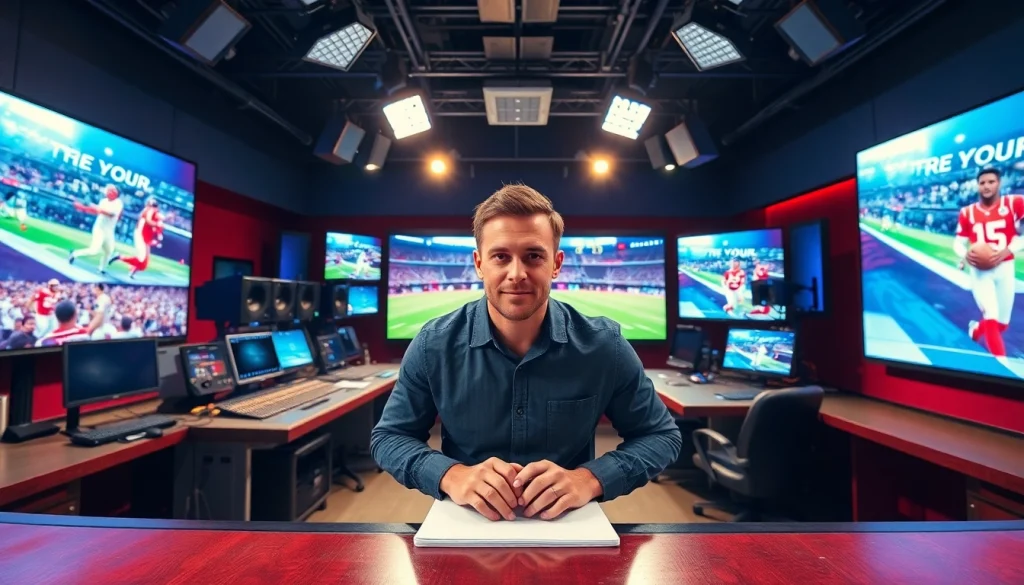
Understanding Sports Broadcasting
Definition and Importance of Sports Broadcasting
Sports broadcasting refers to the dissemination of live or recorded sports events through various media channels, including television, radio, and online platforms. This form of communication plays a critical role in the sports industry, not only by providing fans with unhindered access to live events but also by generating substantial revenue through advertising, sponsorships, and subscriptions. As audiences become more fragmented and demand for content grows, Sports Broadcasting has evolved into a complex ecosystem that integrates technology, content creation, and viewer engagement strategies.
History and Evolution of Sports Broadcasting
The roots of sports broadcasting can be traced back to the early 20th century when radio was the primary medium used to relay game updates. This period laid the groundwork for a dynamic relationship between sports and media. In the 1930s, the first play-by-play broadcasts transformed how fans experienced sports, offering them a front-row seat, even if thousands of miles away. The advent of television in the 1950s revolutionized this landscape, bringing the thrill of live sports directly into homes, thus creating the fervor that exists today.
Over the decades, sports broadcasting adapted to technological advancements, leading to high-definition broadcasts, instant replays, and more interactive viewer experiences. Additionally, the internet has introduced live streaming services, reshaping audience consumption patterns and allowing for on-demand viewing. Understanding this evolution is vital for anyone interested in setting up a successful sports broadcasting operation today.
Current Trends in Sports Broadcasting
Today’s sports broadcasting is characterized by several significant trends. Firstly, there is a substantial shift toward digital platforms, where streaming services and social media networks are becoming increasingly influential. Fans now consume content via smartphones and tablets, prompting sports organizations to explore new ways to engage audiences through innovative apps and interactive features.
Another trend is the emergence of data-driven analytics, which not only enriches storytelling but also enhances viewer experiences. Personalized content, influenced by machine learning algorithms, allows broadcasters to tailor experiences based on viewers’ preferences. Virtual and augmented reality technologies are also gaining traction, providing immersive viewing experiences that blur the lines between the physical and digital realms.
Setting Up a Successful Sports Broadcasting Operation
Key Equipment for Sports Broadcasting
To establish a successful sports broadcasting operation, the right equipment is critical. The foundation includes high-definition cameras capable of capturing the action from multiple angles. In addition, audio equipment, such as boom microphones and wireless wireless transmission systems, ensures that the commentary and atmosphere are crystal clear.
Streaming software is indispensable for live broadcasts, allowing for seamless integration of graphics, statistics, and advertisements. To build a professional setup, other essential gear includes video switchers, lighting equipment, and teleprompters. Regular updates and maintenance of this equipment are also crucial for delivering high-quality broadcasts.
Choosing the Right Platform for Broadcasting
Selecting the appropriate platform for broadcasting is crucial. Traditional media channels like cable networks offer broad reach but come with hefty licensing fees, while digital platforms provide flexibility and cost-efficiency. When deciding between the two, consideration must be given to target audience demographics, viewing habits, and engagement potential.
Live-streaming platforms, such as YouTube and Twitch, offer access to younger audiences, allowing interactive engagement through chat features and real-time polling. In contrast, OTT platforms enable on-demand viewing, which appeals to viewers who prefer flexibility. A hybrid approach combining traditional and digital platforms may yield the best results.
Building a Talented Broadcasting Team
A well-rounded broadcasting team can make or break a sports broadcasting operation. Essential roles include play-by-play commentators who provide energetic coverage, color commentators who offer analytical insights, and production staff responsible for managing the technical aspects of broadcasts.
Recruiting talents with a deep understanding of sports and exceptional communication skills is paramount. Continuous training and professional development in areas such as storytelling, audience engagement, and the latest broadcasting technologies should be encouraged to keep the team at the forefront of industry standards.
Best Practices in Sports Broadcasting
Creating Engaging Content for Viewers
Engagement is key in sports broadcasting. Creating compelling content aligns with audience interests while enhancing their viewing experience. Storytelling plays a significant role; presenting matches as narratives with arcs can captivate viewers. Additionally, integrating behind-the-scenes footage, athlete interviews, and fan interactions can enrich storytelling, forging a deeper connection with the audience.
Utilizing various formats—such as highlight reels, podcasts, and social media snippets—can reach a wider audience. Emphasizing viewer interaction through live Q&A sessions or polls fosters a sense of community, motivating viewers to become loyal followers of the broadcast.
Utilizing Technology in Sports Broadcasting
Modern sports broadcasting must leverage technology to stay relevant. Camera technology advancements, such as slow-motion and aerial drones, enhance the viewing experience by providing new perspectives. Data analytics enhance commentary with real-time statistics, contributing to audience engagement.
Artificial intelligence is also reshaping broadcasting strategies; for instance, AI-driven content curation can help tailor highlights and clips that resonate with specific viewer segments. Moreover, utilizing VR and AR for immersive storytelling can create unique narratives that captivate tech-savvy audiences.
Adapting to Audience Preferences
Staying attuned to audience preferences is essential for success in sports broadcasting. Regularly gathering feedback through surveys and social media interactions can inform content strategies. Understanding demographic changes, such as increasing viewership among younger audiences, requires broadcasters to be agile and ready to adapt to shifting preferences.
Embracing diversity in sports coverage and presenting various sports and events can widen appeal. Additionally, language accessibility, such as offering subtitles or alternative language broadcasts, can attract a broader audience base, enhancing overall reach.
Legal and Ethical Considerations in Sports Broadcasting
Understanding Broadcast Rights and Regulations
Broadcast rights are among the most crucial legal considerations in sports broadcasting. Securing licenses to air specific events requires in-depth knowledge of the legal landscape and adherence to the respective governing bodies’ regulations and requirements. This is essential to avoid legal issues that can emerge from unauthorized broadcasts or copyright infringements.
Furthermore, understanding contract negotiations and how they relate to partnerships and sponsorships will empower broadcasters to forge lucrative agreements that benefit all parties involved.
Maintaining Ethical Standards in Reporting
Ethics play a significant role in sports broadcasting, as journalists and commentators must prioritize accuracy, fairness, and impartiality in their reporting. Striving for balanced coverage while avoiding sensationalism is essential to build an audience’s trust. Ethical considerations also extend to player profiles, where respect for an individual’s privacy and background should be maintained.
Establishing a code of ethics within your broadcasting operation can help set standards and clearly outline acceptable practices for team members, ensuring integrity in reporting.
Addressing Controversial Topics
Handling controversial topics is a delicate area within sports broadcasting. Commentators and journalists may face situations involving sensitive issues such as player behavior or institutional controversies. Approaching such discussions with a balanced perspective and factual reporting is vital to retain credibility and respect within the industry.
Encouraging open dialogue while providing multiple viewpoints can facilitate a more comprehensive understanding of the issues surrounding controversial topics, enhancing audience engagement and trust.
Measuring Performance in Sports Broadcasting
Key Metrics for Monitoring Broadcast Success
To gauge broadcast success, various metrics should be utilized. Viewer ratings provide immediate feedback on content performance, while engagement metrics, such as viewer retention and social media interactions, offer deeper insight into audience involvement.
Additionally, monitoring advertising revenue and distribution deals can signify broader market success, illustrating how well a sports broadcast aligns with commercial objectives.
Tools for Analyzing Audience Engagement
Numerous analytics tools can provide in-depth insights into audience engagement. Platforms like Google Analytics, social media analytics, and specialized media measurement tools can illustrate viewer preferences and behavior patterns.
Using data visualization tools also enhances the reporting of findings, allowing broadcasting teams to make informed adjustments to content strategy in real-time, ultimately boosting overall effectiveness.
Feedback Mechanisms for Continuous Improvement
Establishing a systematic feedback mechanism is crucial for continuous improvement in sports broadcasting. Equipping teams with direct access to audience responses can enable swift enhancements in content production. Ways to gather feedback include after-show surveys, engagement metrics analysis, and monitoring online discussions.
Regular team debriefs can further facilitate discussions on what worked well and areas needing revision, ensuring a commitment to evolving and optimizing the broadcasting experience for viewers.
Frequently Asked Questions
What is sports broadcasting?
Sports broadcasting involves broadcasting live and recorded sports events through media channels like TV, radio, and online platforms, providing fans access to their favorite sports.
How has technology impacted sports broadcasting?
Technology has profoundly impacted sports broadcasting by enhancing viewer experiences through HD cameras, real-time data analytics, and immersive formats like VR and AR.
What roles are essential in a sports broadcasting team?
Key roles include play-by-play commentators, color analysts, production staff, and technical crew, all working together to deliver high-quality broadcasts.
Why are ethical standards important in sports broadcasting?
Maintaining ethical standards ensures accuracy, fairness, and integrity in reporting, which builds trust with the audience and upholds the profession’s credibility.
How can broadcasters measure their success?
Success in sports broadcasting can be measured through metrics such as viewer ratings, audience engagement analytics, and advertising revenue performance.