
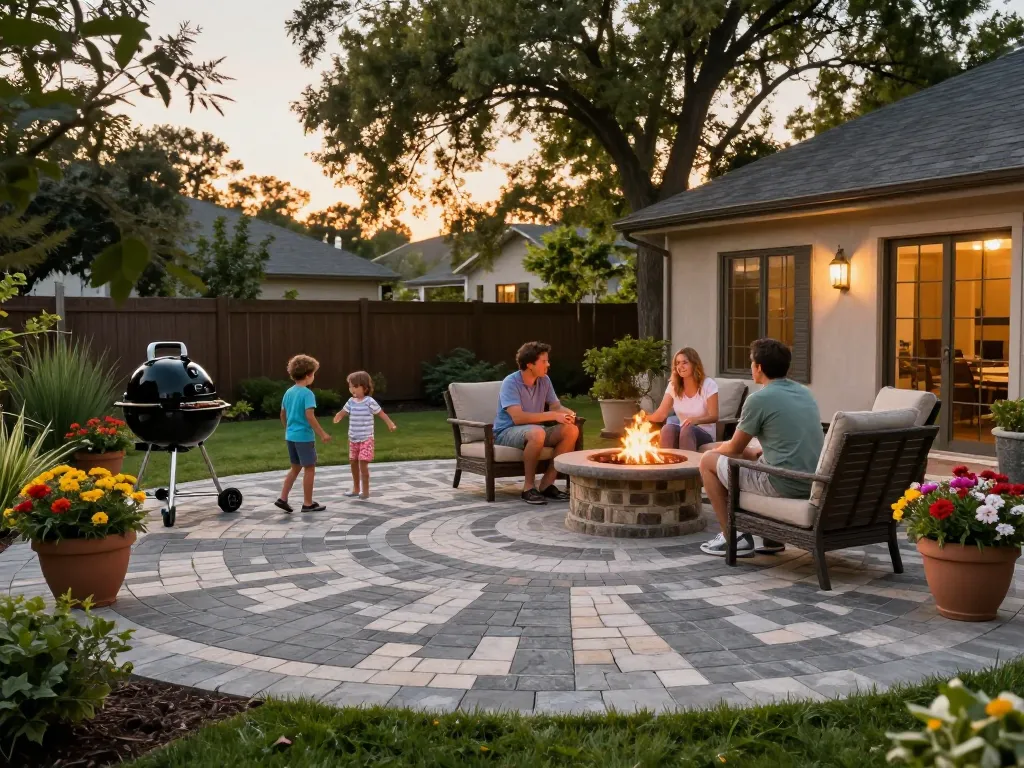
Understanding Brick Pavers: What You Need to Know
Choosing the right materials for your outdoor space can significantly enhance both aesthetics and functionality. One outstanding option is brick pavers, renowned for their durability and classic appearance. When exploring options, Brick pavers near me can provide comprehensive insights into local suppliers and installation services. This article delves into the essentials of brick pavers, their benefits, and installation tips to help you transform your outdoor environment.
What are Brick Pavers?
Brick pavers are rectangular blocks made primarily from clay or concrete and are designed specifically for paving surfaces such as driveways, patios, and walkways. Their versatile design allows for a multitude of patterns and styles, making them a favorite choice for homeowners and landscapers alike. Unlike concrete slabs, brick pavers are less prone to cracking, making them a more durable option in fluctuating climates.
Benefits of Using Brick Pavers for Outdoor Spaces
- Durability: Brick pavers are engineered to withstand heavy loads and resist wear over time.
- Aesthetic Appeal: Available in various colors and patterns, brick pavers enhance the visual appeal of any space.
- Low Maintenance: They are easy to clean and maintain, often requiring just a regular sweep and occasional pressure wash.
- Eco-Friendly: Made from natural materials, brick pavers are a sustainable choice for outdoor landscaping.
- Slip-Resistant Surface: Their textured surface provides excellent traction, ensuring safety in wet conditions.
Comparing Brick Pavers to Other Paving Options
When considering paving materials, it’s essential to compare brick pavers with options like concrete, asphalt, and gravel. While concrete is often cheaper and simpler to install, it lacks the charm and longevity of brick. Asphalt can be less expensive initially but may require more maintenance over time. Gravel offers versatility and drainage but can become uneven and requires regular replenishing. Ultimately, brick pavers offer a balanced combination of beauty, durability, and eco-friendliness, making them an excellent investment for outdoor spaces.
Choosing the Right Brick Pavers
Selecting the appropriate brick pavers involves several considerations to ensure that the chosen materials align with your design and functional needs. Understanding these factors will allow you to make an informed decision that enhances your outdoor space.
Key Factors to Consider When Selecting Brick Pavers
- Material Quality: Opt for high-quality clay or concrete pavers that can withstand weather elements.
- Thickness: The thickness of pavers typically ranges from 2 to 3 inches; thicker pavers are more suitable for heavy traffic areas.
- Color and Texture: Choose colors that complement your home and landscape; textured pavers can enhance grip and visual interest.
- Size: Standard sizes include 4×8 inches or 6×6 inches. Choose a size that fits your project for easier installation.
Design Styles and Color Options
With numerous design styles available, brick pavers can suit any aesthetic preference. Common styles include herringbone, basket weave, and linear patterns. Color options range from traditional reds and browns to contemporary greys and blacks. Mixing and matching colors can create stunning designs that add individuality to your outdoor space.
Local Availability of Brick Pavers Near Me
Knowing where to find quality brick pavers can streamline your sourcing process. Local suppliers often offer a range of pavers, and visiting a physical store can help you evaluate colors and textures firsthand. Online resources may also provide additional insights into finding brick pavers near me, including customer reviews and local pricing options.
Installation Process for Brick Pavers
The installation of brick pavers requires careful planning and execution to ensure a durable and aesthetically pleasing result. Below are the steps to guide you through the installation process.
Preparing the Site for Brick Paver Installation
The first step in installing brick pavers is to prepare the site accurately. This includes measuring the area, marking boundaries, and digging down to a depth of at least 6 inches to allow for a base layer of gravel. Proper weed control and installation of edging will secure the shape and stability of the paved area.
Step-by-Step Installation Guide
- Base Layer: Lay a 4-inch layer of crushed gravel followed by a 1-inch layer of sand to create a stable and level surface.
- Layout: Start laying pavers from the edge, ensuring consistent spacing. Use a rubber mallet to set them in place.
- Cutting Pavers: You may need to cut some pavers to fit your design; a wet saw is recommended for a clean cut.
- Joint Sand: Once pavers are in place, sprinkle polymeric sand over the surface and sweep it into the joints. This stabilizes the pavers and prevents weed growth.
- Final Touches: Compact the surface with a plate compactor and ensure the pavers are set securely.
Common Mistakes to Avoid During Installation
Installation can be tricky, and several common missteps can jeopardize the quality of your project. Avoid the following pitfalls:
- Poor Site Preparation: Skipping the initial preparation can lead to uneven surfaces and instability.
- Ignoring Drainage: Proper drainage is essential to prevent water pooling, so always factor slope during installation.
- Using Inadequate Base Material: Ensure that the base layer is thick enough to support the weight of the pavers.
Maintenance Tips for Brick Pavers
Maintaining your brick pavers is crucial for extending their lifespan and retaining their aesthetic appeal. Here are some tips to keep them in top condition.
Regular Cleaning and Care for Longevity
Routine maintenance includes clearing away debris, leaves, and dirt. A simple solution of soap and water can help remove stains. For stubborn spots, consider using a pressure washer, but make sure to follow up with resealing if necessary.
Seasonal Maintenance Practices
In colder climates, winterization is necessary. This may include clearing away snow and ice in a manner that doesn’t damage the pavers. In the spring, check for any settling or misalignment and make corrections as needed.
Signs of Damage and When to Seek Professional Help
Regular inspections can help you catch early signs of damage, such as cracking or shifting pavers. If you notice significant movement, it may be time to consult a professional to assess the situation and provide solutions for repair or restoration.
Future Trends in Brick Paving
The hardscaping industry continually evolves, with innovations improving the durability, aesthetics, and sustainability of materials like brick pavers. Staying ahead of these trends can inform your choices and enhance your outdoor spaces.
Innovations in Brick Paver Materials and Designs
New technologies are leading to the development of lighter, more durable pavers that incorporate advanced materials. Additionally, design trends are leaning towards eco-friendly options, including permeable pavers that improve drainage and reduce runoff.
The Rise of Eco-Friendly Bricking Solutions
Homeowners increasingly favor environmentally sustainable materials. Innovations in brick manufacturing are resulting in the use of recycled materials, making brick paving a greener option compared to traditional concrete.
Predicted Costs and Availability in 2026
As with any construction material, costs for brick pavers can fluctuate based on market trends, demand, and material availability. Staying informed about these factors will help you budget more accurately for your projects.
What factors affect the cost of brick pavers?
Several variables influence the cost of brick pavers, including type, size, quality, and installation complexity. Additionally, regional pricing and demand can also impact costs, so it’s best to get multiple quotes before proceeding with your purchase.
How do I find reliable brick paver installers near me?
Researching local contractors involves checking reviews, asking for references, and ensuring they have proper licensing and insurance. A reliable contractor will also provide a detailed estimate and communicate clearly about the project scope.
What are the advantages of using brick pavers for driveways?
Brick pavers not only enhance curb appeal but also offer superior durability and longevity compared to traditional driveway materials. Their ability to withstand heavy loads without cracking makes them an excellent choice for this application.
How can I enhance my outdoor space with brick pavers?
Incorporating brick pavers into various outdoor elements, such as walkways, patios, and retaining walls, can create cohesive designs that elevate your property’s overall aesthetic. You can also mix different colors and patterns to add visual interest.
What are the best maintenance practices for brick pavers?
Regular sweeping, periodic power washing, and resealing every few years will keep your brick pavers looking fresh. Ensuring proper drainage and addressing any repair needs promptly will also prolong their lifespan.