
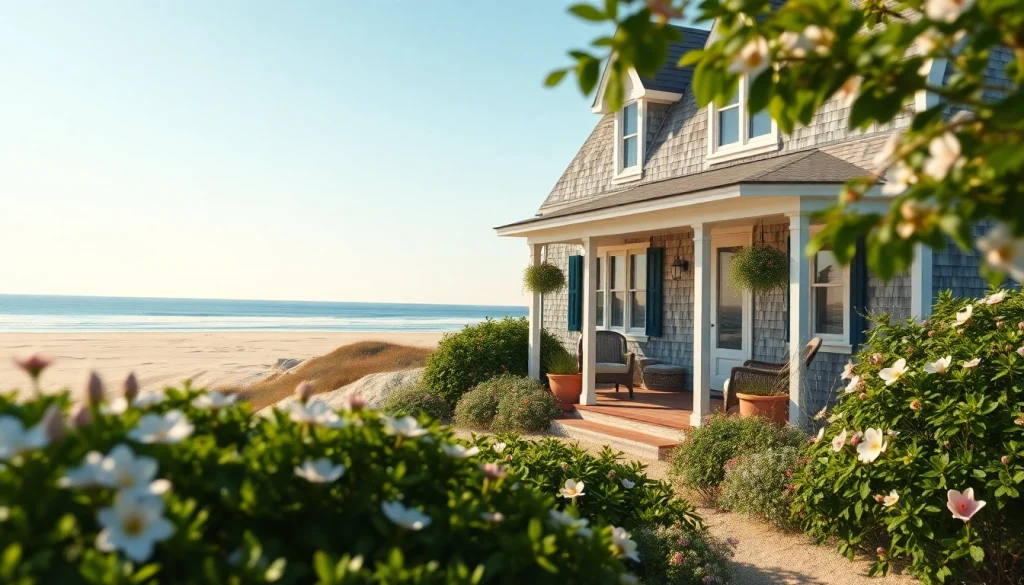
Understanding Cape Cod Homes
Cape Cod homes, a cherished architectural style in the United States, are renowned for their simple yet elegant design. Originating from New England in the 17th century, these structures have become a staple of coastal living. Their distinctive steep roofs, dormer windows, and symmetrical facades embody a timeless charm that resonates with many homeowners. This article aims to explore various aspects of cape cod homes, including their historical significance, design features, customization options, eco-friendliness, and common challenges encountered during construction or renovation.
History and Architecture of Cape Cod Homes
The history of Cape Cod homes dates back to the early settlers of America who sought durable and practical shelter from the harsh New England winters. The architecture is deeply rooted in colonial style, characterized by its simplicity and functionality. Typically constructed with wood, these homes feature high-pitched roofs designed to prevent snow accumulation, dormer windows to allow natural light, and minimal overhangs to protect against coastal storms.
These homes promote energy efficiency, showcasing a connection between the inhabitants and their surroundings. The organic, locally sourced materials mirror the beauty of the coastal environment, further enhancing their appeal.
Key Design Features to Consider
When considering a Cape Cod home, there are several key design features to keep in mind:
- Steep Roofs: Essential for snow and rain runoff, steep roofs also add character.
- Dormer Windows: These enhance natural light inside, making spaces feel larger.
- Symmetry: Balanced designs create a sense of harmony and elegance.
- Wooden Siding: Commonly used in various styles, from shingles to clapboard.
- Fireplaces: Traditionally central to the home, fireplaces provide warmth and appeal.
These design elements not only contribute to the aesthetic but also play a functional role in maintaining comfort and durability.
Choosing the Right Location for Your Cape Cod Home
The location of a Cape Cod home can greatly influence its design and functionality. Ideally, these homes should be situated near coastal areas to capture the quintessential New England atmosphere. Consider the following factors when selecting a location:
- Proximity to Water: Living near the coast offers breathtaking views and outdoor activities.
- Local Climate: This determines structural choices and outdoor features.
- Community Amenities: Access to services, schools, and recreational facilities enhances quality of life.
By integrating these elements, homeowners can maximize the enjoyment and functionality of their Cape Cod residence.
Customization Options for Cape Cod Homes
Customizing a Cape Cod home allows homeowners to blend originality with tradition. Personal touches can transform the character of the home while preserving the quintessential style.
Maximizing Interior Space in Cape Cod Homes
Utilizing interior space effectively is crucial in Cape Cod homes, which often feature compact floor plans. Here are some strategies:
- Open Concept Living: Removing non-load-bearing walls can create a spacious and inviting atmosphere.
- Built-in Furniture: Using built-ins for storage helps maintain aesthetic appeal while maximizing function.
- Light Colors: Employing lighter shades on walls and furnishings can make spaces feel larger and brighter.
- Multi-purpose Rooms: Designing rooms that serve multiple functions enhances utility.
These methods can make even smaller Cape Cod homes feel comfortable and spacious.
Exterior Customization Ideas
The exterior of a Cape Cod home plays a significant role in its overall appeal. Here are several ideas for customization:
- Paint Colors: Experiment with color palettes that reflect personal taste or complement the natural surroundings.
- Front Porches: Adding a porch can create a welcoming entry and outdoor living space.
- Outdoor Lighting: Well-placed lighting enhances the aesthetics and safety of the home.
- Decks and Patios: Expand outdoor living areas for relaxation and entertaining.
Emphasis on these details can elevate the charm and functionality of the home’s exterior.
Landscaping Tips for Cape Cod Homes
Landscaping is an integral part of the Cape Cod home experience. Thoughtful landscaping enhances curb appeal and harmonizes with the coastal environment:
- Native Plants: Using native flora minimizes maintenance and supports local wildlife.
- Coastal Grasses: These add texture and movement, enhancing the seaside aesthetic.
- Flower Beds: Planting seasonal blooms adds vibrancy and color to the landscape.
- Hardscaping Features: Incorporating stone walls, pathways, and patios can define outdoor spaces.
These landscaping strategies will not only beautify your home but also create an inviting outdoor sanctuary.
Eco-friendly Practices in Cape Cod Homes
As environmental awareness grows, many homeowners are incorporating sustainable practices into their Cape Cod homes, making them more eco-friendly and efficient.
Energy-Efficient Design Considerations
Designing for energy efficiency is essential for reducing utility costs and environmental impact. Key considerations include:
- Insulation: Proper insulation minimizes heat loss during colder months.
- Energy-efficient Windows: Low-E glass reduces UV rays while improving energy conservation.
- Passive Solar Design: Orienting the home to maximize natural light and heat harnesses the sun’s energy effectively.
Implementing these strategies leads to comfortable living and lower energy consumption.
Sustainable Materials for Construction
Choosing sustainable materials is crucial when building or renovating Cape Cod homes. Consider these options:
- Recycled Materials: Using recycled materials can reduce waste and environmental impact.
- Locally Sourced Wood: Minimizing transportation contributes to sustainability.
- Eco-friendly Paints and Finishes: Low VOC (volatile organic compounds) products improve indoor air quality.
These choices support environmental sustainability while enhancing the home’s character.
Water Conservation Techniques
Water conservation is vital, especially in coastal areas. Effective techniques include:
- Rainwater Harvesting: Collecting and storing rainwater for landscaping or general use reduces reliance on municipal water.
- Low-flow Fixtures: Installing low-flow faucets and showerheads can significantly reduce water consumption.
- Xeriscaping: Designing landscapes to require minimal irrigation supports sustainability.
Implementing these techniques not only conserves water but also fosters a sustainable lifestyle.
Challenges in Building Cape Cod Homes
While building a Cape Cod home can be rewarding, it does come with its challenges. Understanding and preparing for these can facilitate a smoother process.
Navigating Local Regulations and Zoning Laws
Local zoning laws and building regulations can be complex. To navigate them:
- Research Local Codes: Understand all governing codes before beginning construction.
- Work with Professionals: Collaborate with architects and builders who are familiar with local regulations.
- Obtain Necessary Permits: Ensure all required permits are acquired to avoid legal issues.
Being informed and prepared will ease the process of navigating local laws.
Weather-Resistant Design Strategies
Incorporating weather-resistant design elements is crucial, especially in coastal regions. Key strategies include:
- Durable Materials: Use weather-resistant siding and roofing materials to withstand harsh conditions.
- Elevated Foundations: Building above the floodplain minimizes risk in storm-prone areas.
- Wind-Resistant Features: Design elements like storm shutters can protect windows during severe weather.
These strategies enhance the longevity and resilience of your home against the elements.
Balancing Aesthetics with Functionality
Achieving a balance between aesthetic appeal and functionality can be challenging. Here are tips to navigate this:
- Functional Layouts: Prioritize layouts that maximize usability without sacrificing beauty.
- Timeless Design Choices: Choose timeless materials and colors that enhance both look and function.
- Streamlined Furnishings: Select furniture that is practical while complementing the overall design.
By focusing on these aspects, you can create a Cape Cod home that is both beautiful and practical.
FAQs About Cape Cod Homes
What defines a Cape Cod home?
A Cape Cod home is typically characterized by a steep roof, dormer windows, and symmetrical design, reflecting colonial architecture.
How to maintain a Cape Cod home’s exterior?
Regular maintenance includes inspecting for damages, repainting wooden surfaces, and cleaning gutters to protect against weather elements.
What materials are commonly used in Cape Cod homes?
Common materials include wood siding, shingles, and natural stones, focusing on durability and aesthetic appeal.
Can Cape Cod homes be modernized?
Yes, Cape Cod homes can be modernized with contemporary features while preserving their classic architectural elements.
What are the benefits of living in a Cape Cod home?
Benefits include timeless design, strong community ties, proximity to coastal activities, and a relaxed lifestyle reflective of New England culture.