
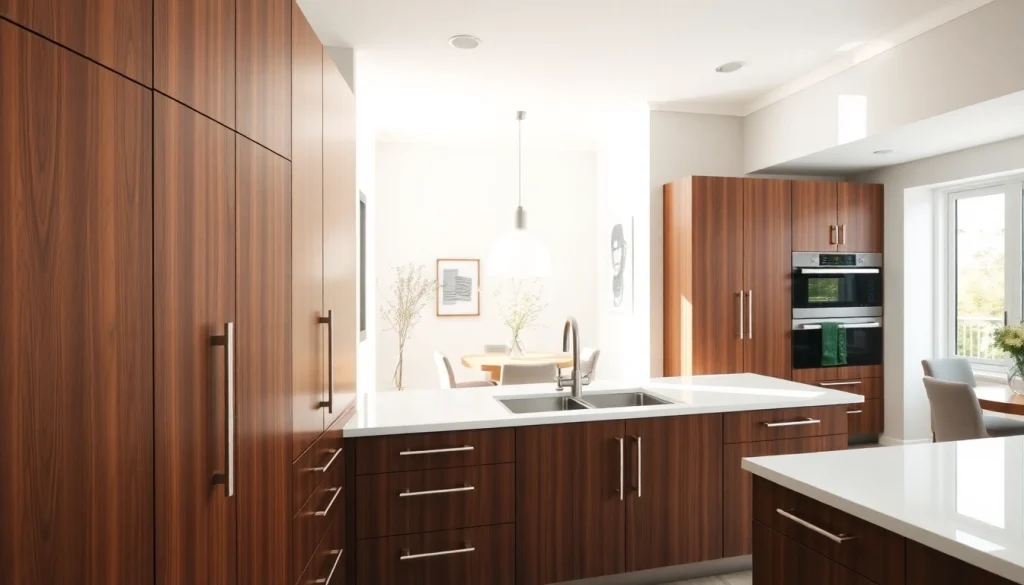
Understanding Cabinet Refacing Largo FL
What is Cabinet Refacing?
Cabinet refacing is a transformative process that revitalizes your kitchen or bathroom cabinetry without the extensive effort or cost associated with a full cabinet replacement. It involves replacing the cabinet doors and drawer fronts while applying a new veneer or laminate to the existing cabinet boxes. This approach not only provides a fresh, updated look but also allows homeowners to change the color and finish of their cabinets, maximizing their space’s aesthetic value without the need for a complete overhaul.
Benefits of Cabinet Refacing Largo FL
Choosing Cabinet Refacing Largo FL comes with numerous advantages. First and foremost is cost savings; refacing is generally less expensive than full replacement. Additionally, refacing is less time-consuming, allowing a complete transformation in just a few days. It also results in less waste, making it a more environmentally friendly option, as it avoids dumping old cabinets in a landfill. Finally, the aesthetic options available are vast, giving homeowners flexibility in achieving the desired look for their space while enhancing property value.
Comparing Refacing and Replacement
When considering the best option for cabinetry, it’s crucial to understand the differences between refacing and replacement. While replacement involves completely removing existing cabinets, which can be disruptive, refacing retains the existing structure and alters only the visible elements. Refacing is suitable for cabinets that are structurally sound but outdated in appearance. Replacement might be necessary for severely damaged cabinets or if a complete reconfiguration of the layout is required. Analyzing your kitchen needs will determine which route is best. For a cost-effective and efficient upgrade, cabinet refacing is often the chosen option.
Materials Used in Cabinet Refacing
Types of Veneers and Laminates
In the cabinet refacing process, various materials are utilized to achieve the desired look and durability. Veneers are thin slices of wood or other materials that provide a natural appearance while being lightweight. They come in numerous species, including oak, maple, cherry, and walnut. Laminates, on the other hand, are synthetic materials that mimic the look of wood or feature unique patterns. They are highly durable and easy to maintain, making them suitable for high-traffic areas. Selecting high-quality veneers or laminates ensures both beauty and longevity in your cabinetry.
Popular Finishes for Your Cabinets
The finish you choose for your cabinets significantly impacts the overall aesthetic and functionality. Popular finishes include matte, semi-gloss, and high-gloss options, each offering a unique visual appeal. Matte finishes provide a contemporary look and reduces glare, making them perfect for modern spaces. Semi-gloss finishes offer a balance between shine and visibility, while high-gloss finishes are ideal for high-end looks with more dramatic reflections. Experimenting with various finishes can add depth and character to your cabinetry, personalizing your space further.
Eco-Friendly Options Available
With increased awareness about sustainability, eco-friendly options in cabinet refacing have become widely available. Many manufacturers now produce low-VOC (volatile organic compounds) laminates and finishes that are safer for indoor air quality. Additionally, utilizing reclaimed wood veneers or sustainably sourced materials can reduce environmental impact while providing unique character to your cabinets. Opting for eco-friendly choices in cabinetry promotes a sustainable lifestyle without sacrificing style.
Choosing the Right Professional for Cabinet Refacing
What to Look for in a Contractor?
Selecting a competent contractor for your cabinet refacing project is paramount for achieving satisfactory results. Look for professionals with extensive experience in cabinet refacing specifically, as opposed to general carpenters. Check their portfolio for examples of previous work, ensuring a style that aligns with your vision. Verify their licensing and insurance to protect yourself from potential liabilities. Reviews and testimonials from previous clients provide insight into their reputation and reliability, which can help in making your decision.
Questions to Ask Before Hiring
Before finalizing your contractor choice, ask pertinent questions to clarify expectations and responsibilities. Inquire about their experience with cabinet refacing and how they handle specific challenges. Discuss the materials they recommend, ensuring transparency about brand preferences and quality. Request a timeline for your project and what their process looks like from start to finish. It’s also wise to ask about financing options, warranty coverage, and follow-up services, which can enhance your peace of mind regarding investments.
Evaluating Quotes and Proposals
Once you’ve gathered quotes from potential contractors, it’s essential to evaluate them comprehensively. Look for itemized estimates that outline material and labor costs. Be wary of unusually low bids, as they may be indicative of inferior quality materials or rushed work. Consider the scope of services included, such as prep work and cleanup, and compare each proposal for value, rather than simply focusing on price. A thorough understanding of each bid helps ensure you’re making informed decisions that align with your budget and expectations.
Steps Involved in the Cabinet Refacing Process
Preparing Your Kitchen for Refacing
Preparation is a critical step in the cabinet refacing process. Begin by clearing countertops and emptying cabinets to allow contractors unobstructed access. Cover areas of your kitchen with drop cloths to protect them from dust and debris that may result from the refacing work. Additionally, arranging a temporary kitchen space might be beneficial, particularly if your kitchen will be out of commission during refacing. Planning your space aids in a smoother refacing process, reducing stress and ensuring organization.
The Refacing Technique Explained
The actual refacing technique involves several specific steps. Initially, existing cabinet doors and drawer fronts are removed. The next step includes applying a new laminate or veneer to the exterior of the cabinet boxes, ensuring a flawless fit. Once this is completed, new doors and drawer fronts are installed, along with updated hardware such as handles and knobs. This precision creates a unified and aesthetically pleasing end result, all while retaining the integrity of your original cabinet structure.
Final Touches and Cleanup
After installation, contractors will perform final touches to ensure everything functions smoothly. They will check that doors and drawers open and close seamlessly and make necessary adjustments for optimal performance. Finally, a thorough cleanup will occur, ensuring your kitchen is left in pristine condition post-project. A clean and organized kitchen after the project provides satisfaction and encourages immediate enjoyment of your newly refaced cabinets.
Maintaining and Caring for Refaced Cabinets
Best Cleaning Practices
To keep your refaced cabinets looking new, proper cleaning is essential. Use a soft cloth dampened with a gentle soap-and-water mixture for daily maintenance, avoiding abrasive cleaners that can damage the finish. For stubborn stains or debris, a mixture of vinegar and water can assist without causing harm. Regularly dry your cabinets after cleaning to prevent moisture buildup, which can lead to warping or peeling.
Preventing Common Damage
Preventing damage to your cabinets is crucial for longevity. Use coasters and placemats to avoid water rings and heat damage from hot dishes. Consider installing cabinet bumpers on the corners to absorb impact and prevent scratches during usage. Avoid overloading cabinets with heavy items, as excess weight can cause structural strain and influence the longevity of both finishes and the inner mechanisms of drawers.
Long-term Care Tips for Longevity
To ensure the longevity of your refaced cabinets, adopt a proactive approach. Periodically check hinges and drawer slides for signs of wear, applying lubricant when necessary to maintain smooth operation. Avoid excessive exposure to sunlight, which can fading finishes over time. Implementing these simple care strategies will help preserve the beauty and functionality of your cabinets for years to come, making the investment in refacing worthwhile.
FAQs about Cabinet Refacing Largo FL
1. How long does the cabinet refacing process take?
The cabinet refacing process typically takes 3 to 5 days, depending on kitchen size and the complexity of the project.
2. Can I choose any color or finish for my refaced cabinets?
Yes, you can choose from a wide variety of colors, finishes, and materials tailored to your design preferences.
3. Is cabinet refacing environmentally friendly?
Yes, cabinet refacing reduces waste and can utilize sustainable materials, making it an eco-friendly choice.
4. How much can I expect to spend on cabinet refacing?
The cost of cabinet refacing can vary significantly, typically ranging from $1,000 to $3,500 based on materials and labor involved.
5. Will refacing work on all types of cabinets?
Refacing is suitable for cabinets in good condition. If cabinets are severely damaged or structurally unsound, replacement may be necessary.