
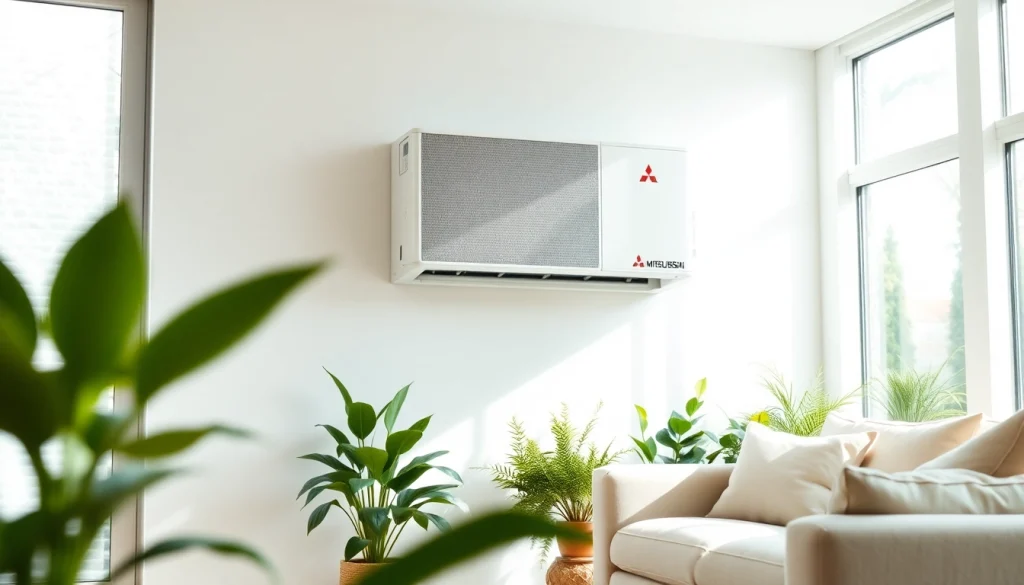
1. Introduction to Mitsubishi Mini Split AC
In the ever-evolving world of home climate control, the mitsubishi mini split ac stands out as a premier solution for efficient heating and cooling. With their advanced technology and versatile design, these systems cater to a diverse range of residential and commercial needs, making them a preferred choice among homeowners and business operators alike. This article will delve into the numerous advantages, functionality, and maintenance of Mitsubishi Mini Split AC systems.
1.1 What is a Mitsubishi Mini Split AC?
A Mitsubishi Mini Split AC is a type of ductless heating and cooling system, composed of two primary components: an indoor unit and an outdoor condenser unit. This design allows for flexibility in installation and operation, making it ideal for spaces where traditional central air conditioning systems may be impractical. The mini-split system operates quietly and efficiently, offering both comfort and aesthetic appeal without the need for extensive ductwork.
1.2 Key Features of Mitsubishi Mini Split AC
Mitsubishi Mini Split AC units are equipped with several notable features:
- Inverter Technology: Enhances energy efficiency by adjusting the compressor speed, providing precise temperature control.
- Whisper-Quiet Operation: Designed to operate quietly, minimizing noise disturbances in your living or working space.
- Energy Star Rated: Many models are certified for energy efficiency, promoting lower utility bills and reducing environmental impact.
- Flexible Installation: The absence of ductwork allows for versatile mounting options, including wall, ceiling, or floor installations.
- Multi-Zone Capability: Enables the operation of multiple indoor units from a single outdoor system, providing customized comfort in different areas.
1.3 Benefits of Choosing Mitsubishi Mini Split AC
Opting for a Mitsubishi Mini Split AC yields numerous benefits:
- Energy Efficiency: Their advanced technology offers reduced energy consumption, which translates to savings on monthly utility bills.
- Enhanced Comfort: Provides targeted heating and cooling, ensuring optimal comfort based on individual room requirements.
- Improved Air Quality: Equipped with filters that capture dust, allergens, and other pollutants, promoting a healthier indoor environment.
- Space-Saving Design: Ductless systems eliminate the need for bulky ductwork, freeing up valuable space in a building.
- Easy Maintenance: Regular maintenance can be performed by homeowners, ensuring prolonged unit life and peak performance.
2. How Mitsubishi Mini Split AC Works
2.1 Understanding the Split System Design
The split design of the Mitsubishi mini split AC consists of two main units: the indoor unit, which blows conditioned air directly into the space, and the outdoor unit, which expels heat extracted from the indoor air. The two units are connected via a refrigerant line, allowing for easy heat exchange. This separation not only permits flexibility in installation but also significantly reduces noise in the living area since the noisy compressor is located outside.
2.2 Cooling and Heating Functions Explained
Mitsubishi mini split systems are equipped with heat pumps, enabling year-round use for both cooling and heating. In cooling mode, the system absorbs heat from indoors and dissipates it outside. Conversely, in heating mode, the process is reversed: the system extracts heat from the outside air and transfers it inside. This dual functionality makes these systems versatile and efficient, particularly in moderate climates where heating needs are intermittent.
2.3 Energy Efficiency Ratings of Mitsubishi Mini Split AC
Energy efficiency is a pivotal aspect of Mitsubishi Mini Split AC systems, with many models bearing the Energy Star certification. They commonly utilize SEER (Seasonal Energy Efficiency Ratio) ratings to measure cooling efficiency, and HSPF (Heating Seasonal Performance Factor) for heating. Systems with a higher SEER or HSPF rating consume less energy, ultimately leading to lower bills and a reduced carbon footprint. Homeowners should assess these ratings when selecting a model to ensure optimal energy savings.
3. Installation Process for Mitsubishi Mini Split AC
3.1 Choosing the Right Location for Installation
The placement of both the indoor and outdoor units is crucial for optimal performance. The indoor unit should be installed high on the wall in a location that allows unobstructed airflow throughout the room, while avoiding direct sunlight. The outdoor unit should be positioned on a solid and level surface, away from obstructions like fences or tall bushes, ensuring sufficient airflow for efficient operation.
3.2 Requirements for Successful Installation
Before installing a Mitsubishi mini split AC, several requirements should be addressed:
- Electrical Access: Ensure access to an electrical supply appropriate for the unit’s power requirements.
- Refrigerant Line Connection: Assess the distance between indoor and outdoor units to ensure proper refrigerant line installation.
- Condensate Drain: A condensate drain must be properly positioned to divert excess moisture away from the unit.
- Mounting Hardware: Confirm that all necessary mounting hardware is available and compatible with the chosen system.
3.3 Common Installation Mistakes to Avoid
Several common pitfalls can occur during the installation of a Mitsubishi mini split AC:
- Poor Placement: Avoid installing units in locations that hinder airflow or are subject to direct sunlight.
- Incorrect Refrigerant Levels: Failure to charge the system correctly with refrigerant can lead to performance issues and potential damage.
- Inadequate Drainage: Ensure the condensate drain is pitched correctly to prevent water backup and potential mold growth.
- Improper Electrical Connections: This can lead to system failure. It’s crucial to adhere to local electrical codes during installation.
4. Maintenance Tips for Mitsubishi Mini Split AC
4.1 Regular Cleaning Procedures
To maintain peak performance, the Mitsubishi mini split AC should undergo regular cleaning. This involves:
- Filter Cleaning: Clean or replace filters every 1-3 months to ensure proper airflow and system efficiency.
- Indoor Unit Maintenance: Wipe down the indoor unit’s exterior and ensure the drain line is free of obstructions.
- Outdoor Unit Inspection: Keep the outdoor unit free from debris, such as leaves and dirt, which can hinder operation.
4.2 Signs of Maintenance Needs
Being aware of the signs that your Mitsubishi mini split AC requires maintenance can prevent further issues:
- Unusual Noises: Uncommon sounds such as rattling or grinding can indicate mechanical problems.
- Reduced Airflow: If airflow diminishes, it could mean that filters or ducts are clogged.
- Increased Energy Bills: A significant spike in energy costs may signify that the system is working harder than necessary.
- Humidity Issues: Poor humidity control can indicate problems with the system’s cooling function.
4.3 Professional Servicing Guidelines
While homeowners can perform basic maintenance, it’s advisable to schedule professional servicing at least once a year. During these visits, technicians can:
- Inspect ductwork and air handlers for leaks or blockages.
- Test refrigerant levels and system pressures.
- Evaluate the overall efficiency and performance of the system.
This proactive approach ensures your Mitsubishi mini split AC operates smoothly and efficiently throughout its lifespan.
5. FAQs About Mitsubishi Mini Split AC
5.1 What size Mitsubishi mini split AC do I need?
To determine the right size, calculate the BTU requirements based on your room size and insulation. Generally, a professional assessment is recommended for accurate sizing.
5.2 How much energy does a Mitsubishi mini split AC consume?
The energy consumption varies by model, but most units are designed for low energy use, which makes them efficient compared to traditional systems, aiding in lower energy bills.
5.3 Can a Mitsubishi mini split AC provide heating?
Yes, many Mitsubishi mini split AC models come with a heat pump function, allowing them to provide both heating and cooling, which is especially beneficial in variable climates.
5.4 How often should I service my Mitsubishi mini split AC?
It’s advisable to have your Mitsubishi mini split AC serviced at least once a year. Regular checks help maintain performance and prolong the unit’s lifespan.
5.5 Is a Mitsubishi mini split AC easy to install?
Installation can be straightforward for those experienced, but it is generally recommended to hire a professional to ensure proper installation and optimal efficiency.