
Understanding Electric Stackers: A Comprehensive Overview
Electric stackers have rapidly gained traction in modern warehousing and material handling sectors, primarily due to their efficiency and sustainability. These machines offer a perfect blend of power and precision, making them essential tools for operations requiring effective lifting and stacking solutions. With the rise of e-commerce and increased demand for quick turnaround times in logistics, investing in the Best electric stacker in Texas is not just a choice but a necessity for many businesses looking to optimize their workflows.
What is an Electric Stacker?
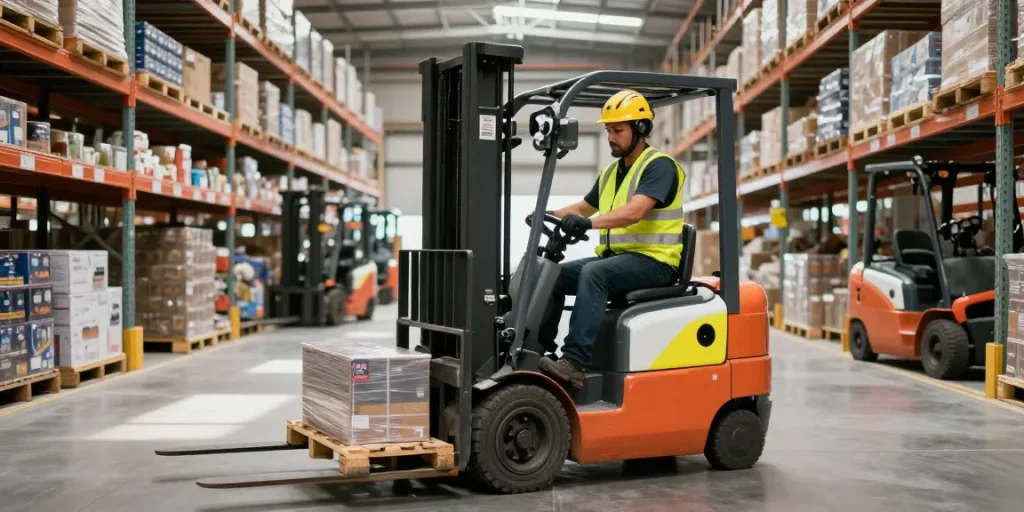
An electric stacker is a type of material handling equipment designed to lift and move pallets or goods in a warehouse setting. Unlike traditional forklifts, electric stackers are powered by batteries, which significantly reduces emissions and operational costs. They come in various configurations, including walk-behind and ride-on models, making them versatile for different warehouse layouts and operations.
Benefits of Using Electric Stackers
- Efficiency: Electric stackers allow for quick movement of goods, enabling more streamlined warehouse operations.
- Sustainability: These machines produce zero emissions during operation, contributing to a cleaner environment.
- Cost-Effective: Lower operating costs are realized through reduced maintenance and energy consumption compared to gas-powered alternatives.
- Safety: Electric stackers often come with enhanced safety features, such as automatic brakes and load management systems, promoting safer work environments.
Key Features to Look For in the Best Electric Stacker in Texas
When selecting an electric stacker, consider features that suit your operational needs:
- Lifting Capacity: Ensure the stacker can handle the weight of your typical loads.
- Lift Height: Evaluate the maximum height necessary for your warehouse shelves or racking systems.
- Battery Life: Longer battery life can enhance productivity, reducing downtime for recharging.
- Maneuverability: Compact designs can help navigate tight spaces more effectively.
The Electric Stacker Market in Texas: Trends and Insights
Current Trends in Electric Stacker Technology
The technology behind electric stackers is evolving rapidly, with advancements focusing on automation, battery efficiency, and user-friendly controls. Many new models incorporate smart technology that collects data to improve operational efficiency, such as tracking usage patterns and identifying maintenance needs before issues arise.
Market Growth Projections for 2026
Industry analysts anticipate the electric stacker market in Texas to grow significantly over the next few years. This growth is driven by the increasing need for efficient material handling solutions across various sectors, including logistics, retail, and manufacturing. As businesses look to enhance their operational efficiency and reduce their carbon footprint, investments in electric stackers are expected to rise.
Competitive Landscape and Key Players
The market is characterized by numerous players that range from established manufacturers to emerging companies showcasing innovative solutions. Key manufacturers such as Texlift are paving the way with high-quality electric stackers that emphasize durability, performance, and customer support.
Selecting the Right Electric Stacker for Your Operation
Evaluating Your Lifting Needs
Before acquiring an electric stacker, it’s essential to assess your specific lifting needs. Consider the types of products you commonly handle, their weights, and the heights at which they need to be stacked. Conducting a thorough analysis will help you choose a machine that optimally meets your requirements.
Common Challenges in Choosing Electric Stackers
Some businesses may find it challenging to select the right electric stacker due to an expansive array of choices on the market. Moreover, understanding the specifications and matching them to your operational needs can be daunting. Ensuring that the chosen stacker is compatible with existing workflows and equipment can help mitigate these issues.
Expert Tips for Making an Informed Decision
Engage with industry experts or seasoned vendors to gain insights about different electric stackers. Testing machines in real operational settings and reviewing customer testimonials can provide clarity on performance and reliability. Moreover, consider future-proofing your purchase by selecting models that offer upgradeable features or modular designs.
Real-World Applications and Case Studies
Success Stories: Businesses Thriving with Electric Stackers
Numerous companies across Texas have reported significant productivity improvements after integrating electric stackers into their operations. For instance, a leading logistics firm experienced a 20% decrease in order fulfillment times simply by switching from traditional forklifts to electric stackers, underscoring the potential benefits of modern equipment.
Industry-Specific Applications: Warehousing vs. Construction
While electric stackers are predominantly used in warehousing, they are also witnessing increased adoption in construction sites. Their capacity to lift heavy materials and ease transportation challenges has made them invaluable in both contexts, demonstrating versatility across industries.
Lessons Learned from Electric Stacker Implementations
Implementing electric stackers can reveal essential lessons on workforce training and equipment maintenance. For example, proper staff training on operational protocols can prevent mishaps and extend the equipment’s lifespan, enhancing overall operational safety.
Future of Electric Stackers: Looking Ahead to 2026
Emerging Technologies in Electric Material Handling
The future landscape of electric stackers will likely include more sophisticated automation and connectivity features. Innovations such as AI-driven predictive maintenance and improved battery technologies are expected to enhance both performance and reliability.
Predictions for the Electric Stacker Industry
Experts predict a shift towards greater automation within the electric stacker industry, with autonomous stackers gradually becoming a reality. These advancements could significantly revolutionize workflows, allowing for increased productivity and reduced labor costs.
Preparing Your Business for Future Developments
To stay relevant, businesses should be proactive in adopting new technologies and training staff on their use. Regular assessment of equipment and operational workflows can help in identifying areas for improvement, setting the foundation for a more efficient future.
What are the advantages of electric stackers over traditional forklifts?
Electric stackers come with several advantages over traditional forklifts, including lower operational costs, ease of use in tighter spaces, and environmental benefits due to zero emissions. Their compact design allows for greater maneuverability and versatility in various warehouse operations.
How do I maintain my electric stacker for optimal performance?
Routine maintenance is crucial for preserving the efficiency of electric stackers. This includes regular inspections, battery maintenance, and ensuring that moving parts are lubricated and functioning correctly. Following the manufacturer’s maintenance guidelines can prevent unexpected downtimes and extend the machine’s lifespan.
What safety regulations should I consider when using electric stackers?
When operating electric stackers, compliance with local safety regulations is imperative. This includes ensuring operators are trained, adhering to load limits, and utilizing safety features like alarms and lights effectively. Regular safety audits can help keep the operation compliant and safe.
What are the best practices for training staff on electric stackers?
Effective training on electric stackers should include both theoretical and hands-on components. Programs should cover fundamental operation principles, safety protocols, and emergency response procedures to equip operators with the necessary skills for safe and efficient use.
How do electric stackers contribute to sustainability in warehouses?
Electric stackers contribute to sustainability by minimizing greenhouse gas emissions and reducing noise pollution compared to their gas-powered counterparts. Their efficiency in operations also leads to less energy consumption, aligning with broader corporate social responsibility goals.