
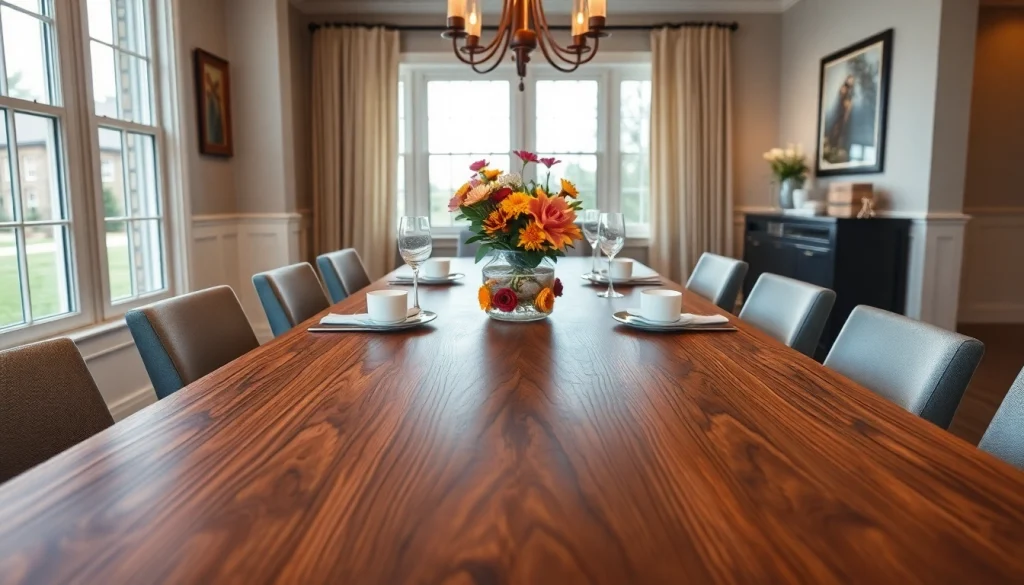
Understanding the Appeal of Custom Dining Tables
In the world of furniture design, dining tables hold a special place. They function not just as a piece of furniture but as a gathering spot for families and friends, where memories are made over shared meals. Custom dining tables, particularly those crafted in the USA, offer an exceptional combination of quality, durability, and personalization. At Lumber2Love, a leader in custom furniture, you can discover how a Dining table can be tailored to meet your unique style and space requirements. This article explores the benefits of choosing custom dining tables, the process of designing them, the care they require, and their role in commercial settings.
What Sets Custom Dining Tables Apart?
Custom dining tables stand out due to their personalized nature. While mass-produced options may offer convenience, they lack the character and quality found in handcrafted pieces. With a custom dining table, you can select everything from the wood species to the finish, ensuring it matches your aesthetic preferences and functional needs. Each piece is built to order, allowing for unique dimensions and styles that fit perfectly within your home or business.
Benefits of Handcrafted Furniture
- Quality Craftsmanship: Handcrafted tables are made with extra attention to detail, often resulting in superior durability and an aesthetic that mass-produced options simply cannot match.
- Personalization: They allow you to choose specific materials, colors, and shapes, making them a true reflection of your style.
- Sustainability: Many craftsmen, like those at Lumber2Love, use sustainably sourced hardwoods, ensuring that your furniture is as eco-friendly as it is beautiful.
Why Choose Made in the USA Quality?
Choosing furniture made in the USA often leads to better quality control and craftsmanship. When you invest in a custom dining table crafted in the USA, you are supporting local artisans who are dedicated to their craft. This commitment results in furniture that is not only stylish but also functional and built to last. Moreover, choosing USA-made furniture reduces the carbon footprint associated with shipping, making it a more sustainable option.
Designing Your Perfect Dining Table
Designing a custom dining table is an exciting journey that allows you to express your taste and meet your practical needs. With the right approach, you can create a centerpiece that will serve your family and guests for years to come.
Choosing the Right Material for Your Table
The material you select for your dining table plays a crucial role in its overall look and durability. Solid hardwoods such as walnut, maple, white oak, and hickory are popular choices due to their strength and beauty. Each type of wood has unique grain patterns and color variations that contribute to the table’s character. For example, walnut provides a rich, dark tone, while maple gives a lighter, contemporary feel.
Customizing Sizes and Shapes to Fit Your Space
One of the most significant advantages of custom dining tables is the ability to tailor sizes and shapes to fit your specific space. Whether you have a cozy apartment or a spacious dining room, you can design a table that fits perfectly. From rectangular and round tables to more unconventional shapes, customization allows for optimal usage of space while also reflecting your personal style.
Incorporating Unique Finishes and Textures
The finish of your dining table can dramatically change its appearance. Options range from natural oils that preserve the wood’s original look to painted finishes that add a modern flair. Textures can also vary, with smooth surfaces offering a contemporary aesthetic and distressed finishes providing a rustic charm. Exploring these options allows you to create a table that complements your existing decor.
The Care and Maintenance of Dining Tables
Once you have invested in a custom dining table, maintaining its beauty and functionality becomes essential. Proper care can significantly extend the life of your furniture, preserving its appearance for years to come.
Best Practices for Wood Care
Wood furniture requires regular maintenance to avoid damage from moisture and scratches. Here are some best practices:
- Wipe spills immediately with a soft, dry cloth to prevent stains.
- Use coasters and placemats to protect the surface from heat and moisture.
- Regularly dust the table with a soft cloth to prevent buildup and scratches.
How to Maintain Table Surface Finishes
Different finishes require different care techniques. For instance, oil finishes can be refreshed by applying a new coat of oil every few months, while polyurethane finishes may require polishing with a suitable cleaner to retain shine. Always follow care instructions provided by the manufacturer to keep your table looking its best.
Restoration Techniques for Long-lasting Beauty
If your table does encounter damage, several restoration techniques can help restore its original charm. For minor scratches, wood fillers can be used, while larger areas may require sanding and refinishing. Investing in professional restoration services can also rejuvenate your table without compromising its integrity.
Dining Tables for Commercial Spaces
Custom dining tables are not only suitable for residential settings but are also a perfect fit for commercial spaces such as restaurants, hotels, and offices. When designed with care, they enhance the ambiance and functionality of these environments.
Custom Solutions for Restaurants and Offices
In commercial settings, dining tables must be durable and stylish. Custom solutions can include tables that withstand heavy use, are easy to clean, and match the overall theme of the establishment. For restaurants, pairing tables with matching seating creates a cohesive and inviting atmosphere, while in offices, collaborative tables can foster teamwork and creativity.
Importance of Durability in Commercial Furniture
Commercial furniture is subject to more wear and tear than residential pieces. Therefore, selecting robust materials and construction techniques is vital. Solid hardwoods paired with high-quality finishes can ensure the longevity of your furniture, making it a worthwhile investment for any business.
Integrating Technology into Conference Tables
With the growing need for technology in the workplace, modern conference tables can also incorporate tech features. Many custom options now include built-in power outlets, USB ports, and cable management systems that keep wires hidden and organized. This integration enables seamless connectivity for presentations and meetings, enhancing overall functionality.
Future Trends in Dining Table Design (2026 and Beyond)
As we look toward the future, dining table design is evolving to embrace new trends that reflect changing lifestyles and preferences. Staying informed about these trends can help you make more informed choices when designing or purchasing your next custom table.
Eco-Friendly Materials and Sustainable Practices
Consumers are increasingly prioritizing sustainability, leading to a rise in the use of eco-friendly materials in furniture design. Companies are sourcing reclaimed wood, utilizing bamboo, and implementing environmentally friendly finishes—all of which contribute to building a greener future. This trend aligns with the growing awareness of environmental responsibility.
Smart Furniture Innovations
Smart furniture is on the rise, combining utility and technology. Features such as integrated charging stations, adjustable heights, and built-in sensors can transform traditional dining tables into versatile spaces for both work and leisure. This innovation addresses the needs of modern lifestyles, making dining spaces more functional.
Emerging Styles and Aesthetics for Modern Dining Rooms
As design aesthetics continue to evolve, we see emerging trends influenced by minimalist design, mid-century modern, and industrial styles. These contemporary themes often incorporate geometric shapes and clean lines, balancing functionality with artistic expression. Selecting a dining table that resonates with these trends can elevate your dining space.