
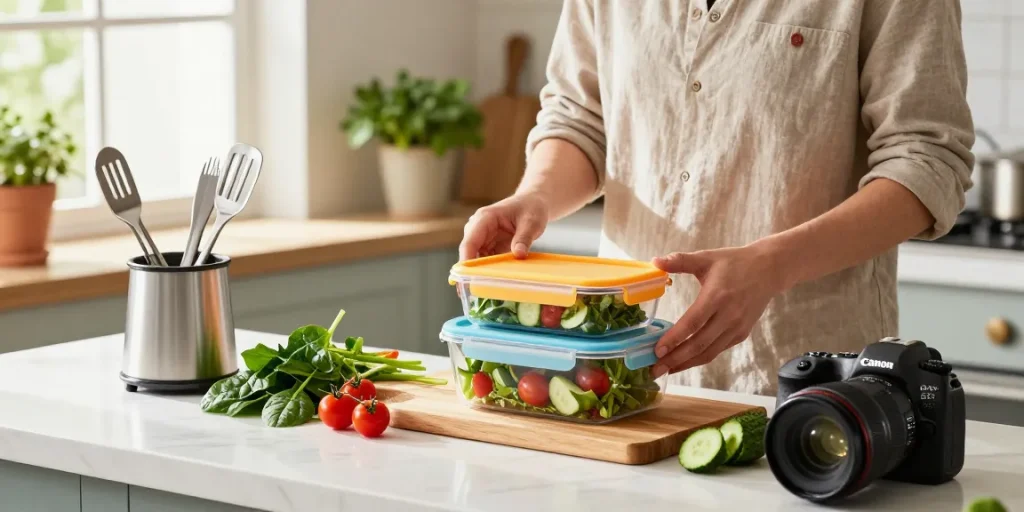
Understanding the Importance of Food Storage Containers
In our fast-paced world, ensuring food freshness and safety is paramount. Food storage containers play a crucial role in maintaining the quality of your ingredients and leftovers. They help to preserve flavors, prevent spoilage, and save money by reducing waste. When exploring options, food storage containers come in various materials and designs, each tailored to specific needs and preferences. This article delves into why food storage containers matter and the key features to consider when choosing the right ones for your kitchen.
Why Food Storage Containers Matter for Freshness?
Food storage containers are essential for maintaining the freshness of your food. They create a barrier against air, moisture, and contaminants, which are common causes of spoilage. Properly storing food not only extends its shelf life but also preserves nutrients and flavors. For instance, airtight containers are excellent for dry goods such as grains and snacks, while glass containers are ideal for wet foods and leftovers.
Key Features to Look for in Food Storage Containers
When selecting food storage containers, consider the following features:
- Airtight Seal: Ensures longevity and prevents odors.
- Material: Glass, plastic, or stainless steel—each has its pros and cons.
- Size Variety: Choose containers in different sizes for versatile storage.
- Dishwasher Safe: Makes cleanup a breeze.
- Stackability: Important for maximizing limited kitchen space.
Exploring the Different Types of Food Storage Containers
Understanding the types of food storage containers available can help you make informed choices. Here are some popular options:
- Plastic Containers: Lightweight and versatile, perfect for meal prep and lunch boxes.
- Glass Containers: Durable and non-toxic, the best for reheating and freezing.
- Stainless Steel Containers: Eco-friendly, perfect for outdoor storage and meals on the go.
- Silicone Bags: Flexible and reusable, ideal for snacks and sandwiches.
Common Misconceptions About Food Storage Containers
Despite the benefits of food storage containers, misconceptions about their safety and functionality persist. Addressing these can help consumers make better choices.
Are All Plastic Containers Safe for Food Storage?
Not all plastic containers are created equal. Many older plastics contain harmful chemicals like BPA, which can leach into food. Look for BPA-free labels to ensure safety. Also, consider the type of plastic; some are better suited for storage than others.
Glass vs. Plastic: What’s the Best for Your Kitchen?
Both glass and plastic have unique advantages. Glass containers are ideal for reheating and freezing without worrying about warp or leach. Alternatively, plastic containers are generally more lightweight and less prone to breakage, making them suitable for children or outdoor activities. Your choice ultimately depends on your specific needs and lifestyle.
Do Food Storage Containers Expire or Deteriorate?
Food storage containers do not have a set expiration date; however, they may degrade over time. Look for signs of wear such as scratches or discoloration in plastic containers, while glass may chip or crack if dropped. Regularly replacing worn containers is a good practice to ensure food safety.
Best Practices for Using Food Storage Containers
To maximize the benefits of your food storage containers, implement these best practices:
Organizing Your Kitchen with Food Storage Solutions
Start by categorizing your food items based on their storage needs. Use smaller containers for spices and snacks, while larger containers can be used for cereals and grains. A tidy, organized kitchen encourages healthier eating habits and minimizes food waste.
How to Clean and Maintain Food Storage Containers?
Cleaning food storage containers is essential for maintaining hygiene. For plastic containers, hand wash with mild detergent to avoid warping. Glass containers can often be placed in the dishwasher for more effortless cleaning. Regularly check seals and lids for damage, and replace them if necessary.
Tips for Maximizing Freshness and Reducing Waste
To prolong the life of your food, consider the following tips:
- Label Containers: Write dates on labels to track freshness.
- Don’t Overfill: Allow air circulation to maintain optimal conditions.
- Store in the Right Place: Keep containers in cool, dry spots to prevent mold and spoilage.
Innovative Trends in Food Storage Containers for 2026
The world of food storage is evolving rapidly, with new innovations emerging to meet consumer needs.
Smart Technologies in Food Storage Containers
Smart containers equipped with sensors can monitor food freshness and even alert you when it’s time to use or discard items. This technology caters to the growing focus on reducing food waste.
Eco-Friendly Materials Making Waves in 2026
As sustainability becomes a priority, many manufacturers are shifting towards eco-friendly materials, such as biodegradable plastics and recycled materials. These innovations are helping to reduce the environmental impact of food storage.
Upcoming Designs: Aesthetic Meets Functionality
In 2026, expect to see food storage containers that double as kitchen decor. Stylish designs are becoming more popular, allowing consumers to display their containers while maintaining functionality.
Real-World Applications and Case Studies
Understanding how food storage containers are used in various settings can provide valuable insights for home cooks and professional chefs alike.
How Restaurants Use Food Storage Containers Efficiently
Restaurants rely on food storage containers to streamline operations. Efficient storage allows for better inventory management, reducing waste and costs. Techniques such as labeling and color-coding help staff quickly find ingredients, ensuring the kitchen runs smoothly.
Home Organization: Transforming Your Kitchen with Containers
Many home cooks are reorganizing their kitchens using food storage solutions. Stackable containers make the most of vertical space, while airtight options keep food fresh longer, allowing for more efficient meal prep and cooking.
Customer Experiences: Success Stories with Food Storage Solutions
Many users report significant improvements in their daily cooking routines after investing in quality food storage containers. Success stories range from families reducing food waste to individual cooks who enjoy more organized kitchen environments.
How to Choose the Best Food Storage Solutions for Your Needs?
Choosing the right food storage containers involves assessing your kitchen habits, types of food stored, and personal style preferences. Reflect on whether you need containers for meal prep, leftovers, or pantry storage to find the right match.
Are Glass Food Storage Containers Worth the Investment?
While glass containers may have a higher upfront cost, their durability and safety make them a worthwhile investment in the long run. They are typically microwave and dishwasher-safe, making them versatile for many cooking and storage needs.