
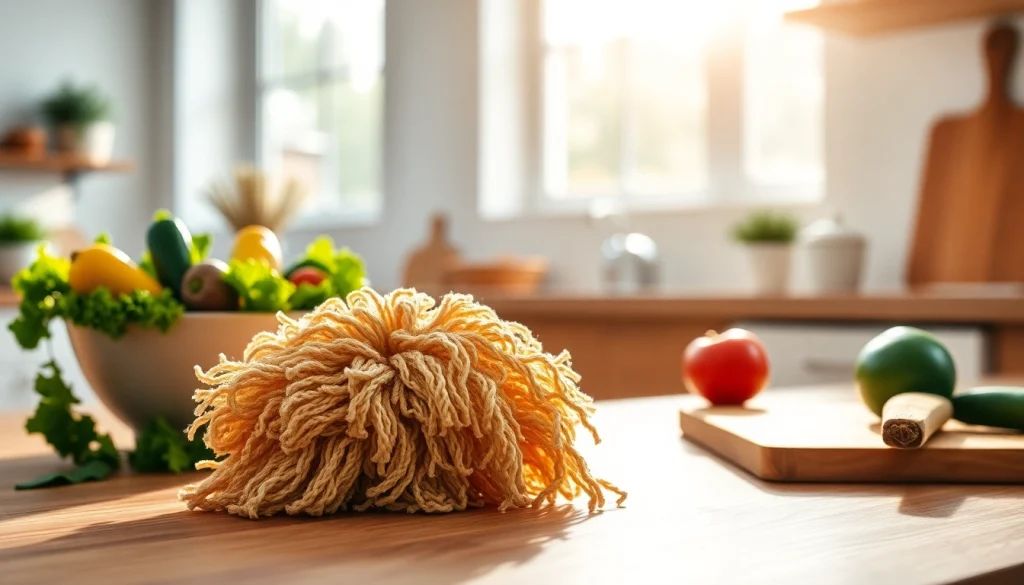
Understanding the Kitchen Loofah Scrubber
What is a Kitchen Loofah Scrubber?
A kitchen loofah scrubber is a natural cleaning tool derived from the loofah plant, known for its fibrous texture and ability to provide effective scrubbing power. Unlike synthetic scrubbers, this eco-friendly option is biodegradable and non-toxic, making it a popular choice for environmentally conscious individuals. The loofah, when dried, transforms from a simple vegetable to a robust, absorbent scrubber, perfect for tackling a variety of kitchen cleaning tasks. Whether it’s scrubbing pots and pans or cleaning countertops, the kitchen loofah scrubber brings a unique texture which is gentle yet effective in removing food residue and grime. Many households are opting for this sustainable alternative to maintain a clean and safe cooking environment.
Benefits of Using Kitchen Loofah Scrubbers
There are numerous advantages to incorporating a kitchen loofah scrubber into your cleaning routine. Initially, their natural composition means no harmful chemicals are released into the environment, promoting a healthier home. Furthermore, kitchen loofah scrubbers are highly absorbent, allowing them to hold water and soap efficiently, which supports a more effective cleaning process.
Other benefits include:
- Biodegradability: Unlike plastic-based scrubbers, kitchen loofah scrubbers decompose naturally, resulting in less waste in landfills.
- Scratch Resistance: They are gentle on surfaces and do not scratch or damage dishes, pots, or countertops.
- Cost-Effective: With regular maintenance, these scrubbers can last for an extended period, proving to be a budget-friendly option.
- Versatility: Beyond the kitchen, loofah scrubbers can be used for body exfoliation and household cleaning in various areas of the home.
How Kitchen Loofah Scrubbers Compare to Other Scrubbers
When comparing kitchen loofah scrubbers to other common scrubbers, such as synthetic sponges and scouring pads, it is clear that the natural option offers specific advantages. Synthetic scrubbers often release microplastics into the water supply and can harbor bacteria over time. In contrast, kitchen loofah scrubbers do not have these downsides, as they are made from a renewable resource and resist bacterial growth when properly cared for.
Additionally, other scrubbers may require chemical detergents for effective cleaning, while a kitchen loofah scrubber works well with natural soap alternatives, aligning with eco-friendly cleaning practices.
Choosing the Right Kitchen Loofah Scrubber
Key Features to Look For
When navigating the market for kitchen loofah scrubbers, several key features should be considered to ensure you select a quality product:
- Texture: Look for loofahs that have a balance between being abrasive enough for tough cleaning jobs but gentle enough for delicate surfaces.
- Thickness: Thicker loofahs tend to be more durable, allowing them to withstand repeated use.
- Organic Certification: If you are an advocate for organic products, choose loofah scrubbers that are certified organic to ensure they are free from pesticides.
- Durability: A high-quality loofah should not disintegrate after a few washes; check for reviews or recommendations to gauge durability.
Where to Buy Kitchen Loofah Scrubbers
Kitchen loofah scrubbers are widely available in various retail locations and online platforms. Local health food stores or specialty eco-friendly shops often stock these natural scrubbers. Additionally, reputable websites focusing on sustainability like kitchen loofah scrubber, offer a variety of options that cater to different needs and preferences.
When purchasing online, always ensure that you’re buying from vendors known for their commitment to quality, organic practices, and ethical sourcing.
Eco-Certifications and What They Mean
Understanding eco-certifications can help consumers make informed choices. A few notable certifications to look out for when selecting kitchen loofah scrubbers include:
- USDA Organic: Certifies that the product is made of organic material, free from synthetic fertilizers and pesticides.
- Green Seal: Indicates that the product meets strict environmental criteria for safety and sustainability.
- Biodegradable Certification: Ensures that the scrubber meets certain standards for breakdown in soil and natural environments.
Maintaining Your Kitchen Loofah Scrubber
Cleaning and Sanitizing Your Scrubber
The lifespan of a kitchen loofah scrubber can be extended significantly with proper care. Cleaning your scrubber regularly is vital to eliminate any food particles and bacteria. After use, rinse the scrubber under hot water and gently squeeze to remove excess moisture.
For deeper sanitation, soak the loofah in a mixture of vinegar and water or a natural disinfectant. Regularly sanitizing keeps the scrubber safe for use on kitchen items while maintaining its texture and effectiveness.
When to Replace Your Kitchen Loofah Scrubber
A kitchen loofah scrubber should be replaced once it shows signs of wear, such as fraying or a change in texture that affects its cleaning ability. Typically, if you notice the scrubber losing its firmness or develop an unpleasant odor despite regular cleaning, it’s a sign that it’s time for a new one. Generally, aim to replace it every 3-4 weeks, depending on usage.
Tips for Extending the Life of Your Scrubber
To ensure you get the most out of your kitchen loofah scrubber, consider these tips:
- Rotate Usage: If you purchase multiple scrubbers, rotate them regularly to allow each to dry thoroughly between uses.
- Keep Dry: Store your scrubber in a well-ventilated area to avoid moisture buildup, which can lead to bacteria growth.
- Avoid Harsh Chemicals: Limit exposure to bleach or other harsh cleaning products that can degrade the loofah fibers.
Using Kitchen Loofah Scrubbers Effectively
Best Practices for Cleaning Surfaces
When it comes to cleaning surfaces with a kitchen loofah scrubber, there are a few best practices to keep in mind:
- Use Soap Sparingly: Apply just a small amount of dish soap to the scrubber; it lathers effectively without needing excess product.
- Rinse Regularly: Frequently rinse the scrubber while cleaning to prevent food particles from accumulating.
- Use Warm Water: Warm water helps activate the dish soap and allows the loofah to effectively break down grease and grime.
DIY Natural Cleaning Solutions to Use
Pairing your kitchen loofah scrubber with homemade cleaning solutions can enhance its effectiveness. Consider these natural formulas:
- Baking Soda Paste: Sprinkle baking soda on the scrubber with a little water to form a paste; this is excellent for tough stains.
- Lemon Juice and Vinegar: A mix of these ingredients provides antibacterial properties and adds a fresh scent.
- Castile Soap: A natural, plant-based soap that cleanses well without the harmful additives, making it a perfect pair for your scrubber.
Creative Uses Beyond the Kitchen
Kitchen loofah scrubbers are not just for dishwashing; their versatility extends to various applications, including:
- Exfoliating Skin: Used in the shower, they gently exfoliate dead skin cells, promoting smooth skin.
- Cleaning Bathroom Surfaces: The scrubbing power is effective for tiles and sinks without scratching.
- Gardening Aid: They can assist in cleaning garden tools, providing a scrub to remove dirt without damaging the tool surface.
FAQs About Kitchen Loofah Scrubbers
How long does a kitchen loofah scrubber last?
A kitchen loofah scrubber can last 3-4 weeks under regular use, depending on maintenance and cleaning practices.
Can I use a kitchen loofah scrubber on all surfaces?
Yes, kitchen loofah scrubbers are gentle enough for most surfaces, including non-stick cookware, glass, and counters.
Are kitchen loofah scrubbers biodegradable?
Yes, kitchen loofah scrubbers are 100% biodegradable, making them a sustainable option for cleaning.
How do I store my kitchen loofah scrubber?
Store your kitchen loofah scrubber in a dry, well-ventilated area to prevent moisture accumulation and mildew growth.
What makes kitchen loofah scrubbers eco-friendly?
Kitchen loofah scrubbers are made from a renewable plant source and are free of plastic, promoting sustainability and reducing waste.