
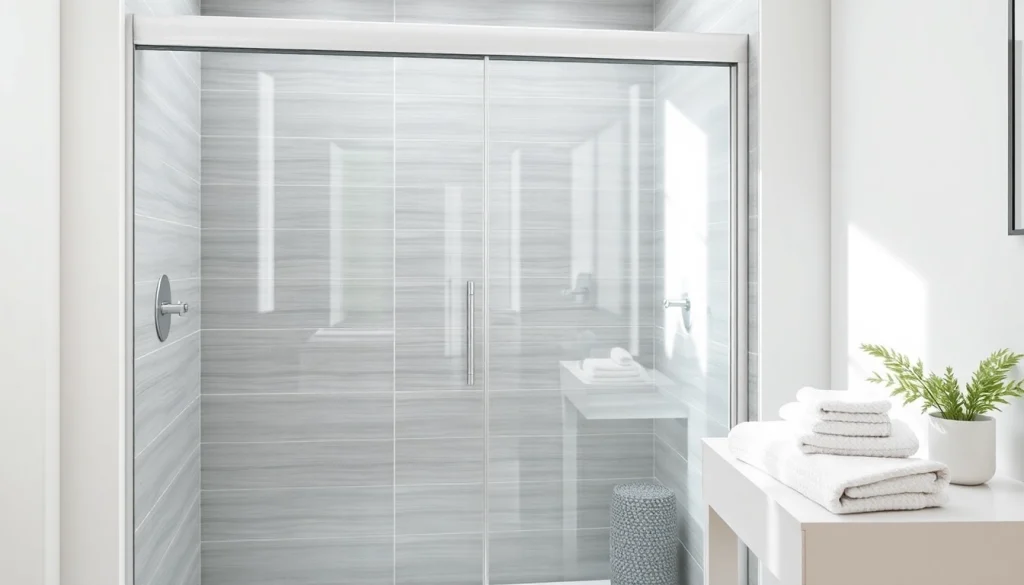
Understanding Shower Screen Sliding Door Options
Shower screen sliding doors have become a popular choice for modern bathrooms, combining functionality with aesthetic appeal. With their sleek design, these doors maximize space and add a touch of elegance to any shower enclosure. This article will explore the various types of shower screen sliding doors, their benefits, and essential features to consider when choosing one for your bathroom. For a wide selection, including premium options, you can check out a comprehensive range of shower screen sliding door models available online.
Types of Shower Screen Sliding Door
When it comes to shower screen sliding doors, several types cater to different needs and aesthetics. Here are the most common options:
- Single Sliding Doors: A single sliding door glides open along a track, providing easy access to the shower. This type is ideal for smaller spaces where a hinged door wouldn’t fit.
- Bi-parting Sliding Doors: This style features two panels that slide apart from the center. They are suitable for larger openings and create a more dramatic entrance.
- Frameless Sliding Doors: These doors have minimal hardware, offering a modern and sleek appearance. They allow for maximum visibility, making the bathroom look larger and less cluttered.
- Framed Sliding Doors: Constructed with a frame around the glass, these doors provide durability and a traditional look. They often come in various finishes to match bathroom decor.
Benefits of Using a Shower Screen Sliding Door
Choosing a shower screen sliding door comes with various advantages:
- Space Efficiency: Sliding doors require less space than traditional doors, making them an excellent choice for compact bathrooms.
- Easy Access: With smooth sliding mechanisms, these doors provide convenient access to the shower area, enhancing the overall user experience.
- Child Safety: The design minimizes the risk of sticking fingers or hitting oneself with swinging doors, making them safer for households with children.
- Aesthetic Appeal: A variety of styles and finishes allow you to complement your bathroom decor, adding a touch of luxury and modernity.
- Easy Maintenance: Most sliding doors are designed to be easy to clean, which can significantly reduce the time spent on bathroom upkeep.
Essential Features to Look For
When selecting a shower screen sliding door, keep the following features in mind:
- Glass Thickness: Opt for tempered glass of at least 8mm thickness for durability and safety.
- Track System: Look for a stainless steel track system to ensure smooth operation and longevity.
- Water Seal: Ensure the door has a good sealing mechanism to prevent leaks and water splashes outside the shower area.
- Hardware Quality: The quality of the handles and other hardware can significantly affect both functionality and style.
- Customizability: Consider whether the door can be customized to fit unique space requirements or personal preferences.
How to Choose the Right Shower Screen Sliding Door
Selecting the right shower screen sliding door involves several factors that align with your specific needs and bathroom layout. Here’s how to navigate the selection process:
Assessing Your Space Requirements
Begin by measuring the dimensions of your shower space. It’s crucial to determine the size of the door opening and the available space for the door to slide. If your shower area is tight, a single sliding door might be the best option. Conversely, if you have more room, a bi-parting door could offer a grander look.
Comparing Material Choices
The materials used in your shower screen sliding door can dramatically influence its function and aesthetic. Generally, glass doors are preferred for their elegance, but they come in various types:
- Tempered Glass: Safety glass that is heat-treated to withstand impacts.
- Acrylic or Polycarbonate: Lighter and less expensive, but generally less durable than glass.
- Frame Material: Stainless steel is a popular choice for hardware because it is resistant to rust and corrosion.
Design Considerations for Aesthetics
Consider the overall design theme of your bathroom. Sliding doors are available in numerous styles, including frameless and framed options, and various finishes such as chrome, brushed nickel, or black matte. The right design will enhance your bathroom’s visual appeal while providing functionality.
Installation Tips for Your Shower Screen Sliding Door
Proper installation is key to ensuring the longevity and functionality of your shower screen sliding door. Below are essential tips for a successful installation process:
Tools and Equipment Needed
Before starting your installation, gather the following tools:
- Drill and drill bits
- Level
- Screwdriver
- Tape measure
- Silicone sealant
- Safety goggles
Step-by-Step Installation Guide
- Measure: Carefully measure the width and height of the shower door opening.
- Prepare the Area: Ensure the installation surface is clean and dry.
- Install the Track: Follow the manufacturer’s instructions to install the top track, ensuring it is level for smooth operation.
- Attach the Door Panels: Hang the door panels onto the top track, ensuring the rollers are adequately aligned.
- Secure the Base: Install any necessary bottom brackets or guides to stabilize the door.
- Seal and Finish: Apply silicone sealant around edges to prevent water leakage. Allow it to cure according to the package instructions before use.
Common Mistakes to Avoid
To ensure a hassle-free installation, avoid these common mistakes:
- Not Measuring Correctly: Double-check all measurements to ensure a proper fit.
- Ignoring Manufacturer Instructions: Always adhere to the specific guidelines provided by the manufacturer.
- Rushing the Process: Take your time to ensure every part is installed correctly, as hasty work can lead to future issues.
Maintenance and Care for Shower Screen Sliding Door
Aside from installation, proper maintenance is crucial for the longevity of your shower screen sliding door. Here’s how to keep it in optimal condition:
Cleaning Best Practices
Regular cleaning will prevent soap scum, mildew, and water spots from accumulating. Follow these practices:
- Use a daily homemade cleaner of vinegar and water to wipe down the glass after each use.
- Avoid abrasive cleaners that can scratch the surface.
- For deep cleaning, use glass cleaner with a microfiber cloth for streak-free results.
- Ensure all moving parts are free of grime by cleaning the tracks with a damp cloth to maintain smooth operation.
Preventing Damage and Wear
To keep your shower screen sliding door looking pristine and functioning well:
- Avoid slamming the doors; gentle handling will prolong their life.
- Regularly check for any loose screws or hardware and tighten them as needed.
- Inspect the seals regularly to ensure they are intact and replace damaged ones promptly.
When to Seek Professional Help
If you encounter persistent issues or notice significant wear, consider reaching out to a professional. Signs that may warrant professional assistance include:
- Difficulty in sliding the doors.
- Visible cracks or damage to the glass.
- Persistent water leaks.
Frequently Asked Questions About Shower Screen Sliding Door
What materials are best for shower screen sliding doors?
Tempered glass is recommended for its strength and safety, while stainless steel offers durability for hardware. Acrylic can be a more affordable alternative.
How do I keep my shower screen sliding door clean?
Use a vinegar and water solution for daily cleaning and a glass cleaner for deeper cleans. Avoid abrasive tools to prevent scratches.
Can shower screen sliding doors be customized?
Yes, many manufacturers offer customization options regarding size, style, and finish to match your bathroom decor preferences.
What is the average cost of shower screen sliding doors?
Costs vary widely based on materials and designs but typically range from £100 to £500, excluding installation fees.
How can I avoid water leaks with sliding doors?
Ensure proper sealing during installation and regularly check seals for wear. Adjust the door alignment if leaks occur.