
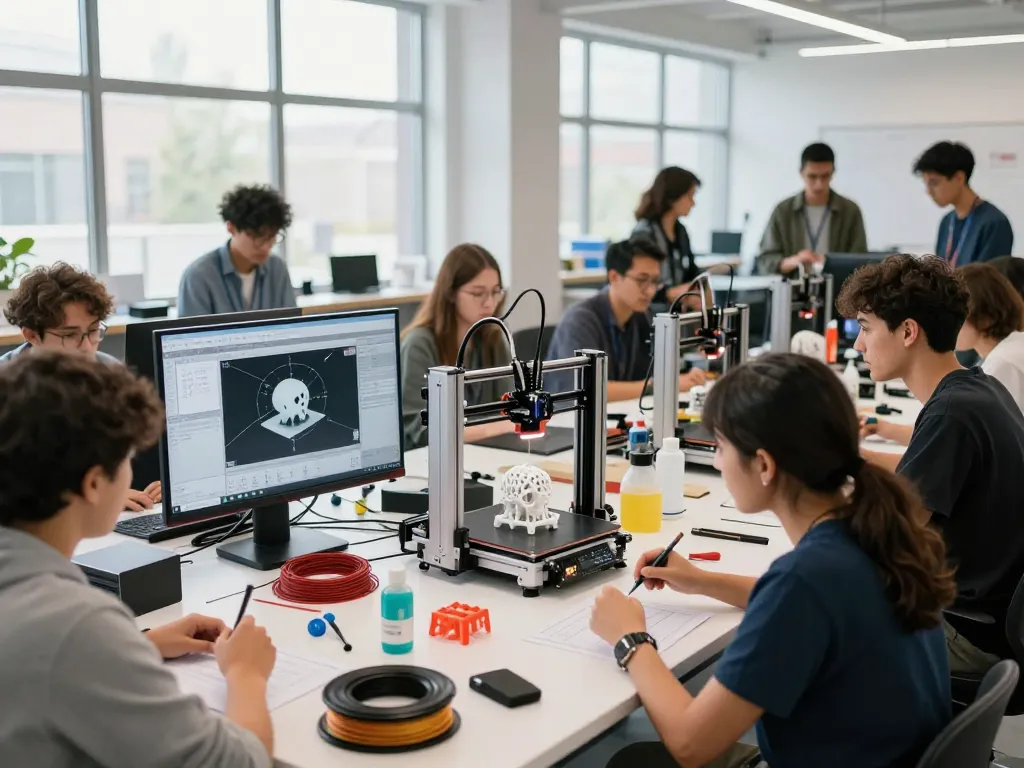
The Fundamentals of 3D Printing
3D printing, also known as additive manufacturing, represents a transformative technology that is reshaping various industries by enabling the creation of three-dimensional objects directly from digital files. By utilizing computer-aided design (CAD) models, this innovative process allows for the layer-by-layer construction of objects, employing various materials such as plastics, metals, and even biological substances. The rise of 3D printing has opened up new pathways for customization, rapid prototyping, and sustainable manufacturing practices. When exploring options, 3D Printing serves as a cornerstone technology in today’s manufacturing landscape, offering unique advantages not available through traditional methods.
What is 3D Printing and How Does It Work?
At its core, 3D printing is an additive process that constructs objects by layering materials based on a digital design. The procedure begins with creating a digital file, typically using CAD software. This file outlines the specifications of the intended object, guiding the printer in building it layer by layer. The printing process varies depending on the technology used but generally follows these steps:
- Model Creation: A 3D model is designed using CAD or downloaded from online repositories.
- Slicing: The model is sliced into thin horizontal layers, creating a set of instructions for the printer.
- Printing: The printer deposits material layer by layer, solidifying to form the final object.
- Post-Processing: The object may require cleaning, curing, or additional finishing processes.
Types of 3D Printing Technologies Explained
There are several types of 3D printing technologies, each with distinct methods and applications. Key processes include:
- Fused Deposition Modeling (FDM): The most common 3D printing method, where thermoplastic filaments are melted and extruded layer by layer.
- Stereolithography (SLA): Utilizes a UV laser to cure liquid resin into solid forms, offering high precision and smooth finishes.
- Selective Laser Sintering (SLS): Employs lasers to fuse powder materials, allowing for complex geometries and strength in finished products.
- Binder Jetting: Involves depositing a binder onto powder materials, which are then cured to form a solid object. This method is popular for metal and ceramic printing.
Materials Used in 3D Printing: A Comprehensive Overview
The choice of material is crucial in 3D printing, influencing the object’s properties, functionality, and aesthetic appeal. Common materials include:
- Plastics: Such as ABS, PLA, and PETG are widely used in FDM printing for their ease of use and availability.
- Metals: Stainless steel, aluminum, and titanium are popular in industrial applications, especially in SLS and DMLS (Direct Metal Laser Sintering).
- Resins: Used in SLA printing, these materials provide high detail and accuracy, suitable for prototypes and detailed models.
- Biomaterials: Emerging as a key player in medical applications, these materials can be used for printing scaffolds, tissues, and organs.
Key Applications of 3D Printing
How 3D Printing is Revolutionizing Manufacturing
3D printing is revolutionizing the manufacturing landscape by providing unprecedented levels of customization and efficiency. Traditional manufacturing often involves molds and extensive setup costs, while 3D printing lowers these barriers significantly by allowing for on-demand production. This technology accelerates prototyping and reduces waste, as only the material necessary for the object is used. Industries like automotive, aerospace, and consumer goods are increasingly adopting 3D printing to streamline their processes, reduce lead times, and respond quickly to market demands.
3D Printing Innovations in Healthcare
The healthcare sector is experiencing groundbreaking innovations due to 3D printing. Customized implants and prosthetics are being created to perfectly fit individual patients, enhancing comfort and effectiveness. Additionally, 3D printing allows for the production of anatomical models that assist surgeons in planning complex operations. Furthermore, the combination of bioprinting technologies with living cells is paving the way for tissue engineering and regenerative medicine, with the potential to create functional tissues and organs in the future.
Creative Uses of 3D Printing in Art and Design
Artists and designers are leveraging 3D printing to push the boundaries of creativity. This technology enables the fabrication of intricate, complex designs that would be impossible or prohibitively expensive to manufacture using traditional methods. From custom jewelry to elaborate sculptures, 3D printing fosters innovation in artistic expression. Additionally, the ability to produce limited editions and one-of-a-kind pieces opens new avenues for revenue and artistic freedom in the marketplace.
Challenges and Solutions in 3D Printing
Common Issues Faced by Beginners in 3D Printing
While the potential of 3D printing is vast, beginners often encounter challenges, including calibration issues, material selection problems, and print failures. These obstacles can be discouraging, but understanding the common pitfalls can help new users navigate their 3D printing journey. Researching equipment, seeking community advice, and undertaking small projects can provide valuable experience and build confidence in troubleshooting.
How to Optimize 3D Printing Quality and Efficiency
Optimizing print quality and efficiency involves several strategies. Users should pay close attention to print settings such as layer height, print speed, and temperature, as these factors impact the overall output. Regular maintenance of the printer is equally important, ensuring that moving parts are lubricated and that the nozzle is clean. Additionally, the use of high-quality materials can significantly enhance the final product’s integrity.
Addressing Safety Concerns in 3D Printing
As with any technology, safety is paramount in 3D printing. Users should be aware of potential hazards, such as fumes from melting plastics and the risk of burns from hot components. Proper ventilation, protective gear, and adherence to safety protocols can mitigate these risks. Understanding the specific requirements for different materials will also enhance safety during the 3D printing process.
The Future of 3D Printing in 2026 and Beyond
Emerging Trends in 3D Printing Technology
The future of 3D printing seems promising, with several emerging trends on the horizon. Advancements in materials science will expand the range of printable substances, including composites and bio-compatible materials. The integration of machine learning and artificial intelligence into 3D printing processes is poised to enhance design capabilities and streamline production workflows. Furthermore, as sustainability becomes a focal point for industries globally, biodegradable materials and improved recycling techniques are likely to become standard practice in 3D printing.
The Role of AI in Advancing 3D Printing Processes
Artificial intelligence is set to play a crucial role in advancing 3D printing. By leveraging AI algorithms, manufacturers can optimize designs for functionality and material efficiency, leading to stronger and lighter final products. AI can also assist in predictive maintenance for printers, recognizing wear and tear before it causes significant downtime. This synergy between AI and 3D printing has the potential to forge a smarter, more efficient manufacturing landscape.
Predictions for 3D Printing Market Growth and Opportunities
As we look towards 2026, the global 3D printing market is expected to continue its rapid growth, driven by increasing adoption across various sectors. The demand for customized products, coupled with the need for quicker turnaround times and reduced production costs, positions 3D printing as a critical player in the next industrial revolution. Industries such as aerospace, automotive, and healthcare are projected to lead this growth, presenting ample opportunities for businesses willing to innovate and adopt additive manufacturing strategies.
Getting Started with 3D Printing
Choosing the Right 3D Printer for Your Needs
Selecting the appropriate 3D printer is essential for achieving the desired results. Factors to consider include the intended use, printing technology, material compatibility, build volume, and budget. Beginners may prefer entry-level FDM printers for their affordability and ease of use, while professionals might opt for SLA or SLS printers for higher precision and material options. Researching user reviews and engaging with the community can provide valuable insights into the best choices available.
Step-by-Step Guide to Your First 3D Print
To successfully complete your first 3D print, follow these steps:
- Create or download a 3D model.
- Slice the model with appropriate settings relevant to your printer and material.
- Prepare the printer, ensuring it is calibrated and materials are loaded.
- Start the print and monitor the process for issues.
- Post-process the print, if necessary, by removing supports and sanding surfaces.
Resources and Communities for 3D Printing Enthusiasts
The 3D printing community is vast and supportive, with numerous resources available for enthusiasts at all levels. Online platforms such as Thingiverse and Printables provide repositories of models, while forums and social media groups enable users to share experiences and troubleshoot issues. Engaging with local maker spaces can also provide hands-on experience and networking opportunities with other passionate individuals.
How much does it cost to have something 3D printed?
The cost of 3D printing varies widely depending on multiple factors, including material type, design complexity, and the printer used. For hobbyists, the initial investment in a printer ranges from $300 to $1,000, with ongoing material costs averaging $20 to $100 per month. Professional services, however, can incur higher costs due to the quality of materials and expertise required, with some projects costing several hundred dollars.
What are the most popular items to 3D print?
Popular items to 3D print include custom jewelry, household gadgets, prototypes for product development, educational models, and replacement parts. The flexibility of 3D printing means that almost anything can be customized to fit individual needs, making this technology ideal for creative and practical applications alike.
Can 3D printing be used for industrial applications?
Yes, 3D printing is increasingly being utilized in industrial applications. It allows for rapid prototyping, creating complex parts that traditional manufacturing methods cannot achieve. Industries such as aerospace and automotive have embraced 3D printing for tooling, lightweight components, and even end-use products, highlighting its versatility in enhancing production efficiency.
What are the environmental impacts of 3D printing?
While 3D printing can reduce waste by using only the material necessary for the product, it also comes with environmental considerations. The production and disposal of plastics can contribute to pollution, and energy consumption varies by technology. However, advances in sustainable materials and practices are helping to mitigate these impacts, making 3D printing a potentially more environmentally friendly option in manufacturing.
How to maintain a 3D printer effectively?
Regular maintenance of a 3D printer is essential to ensure optimal performance. Key practices include cleaning the print bed, replacing worn-out components, calibrating the printer before each use, and ensuring the nozzle is free of clogs. Keeping a maintenance log can help track issues and schedule routine check-ups, extending the printer’s lifespan and improving print quality.