
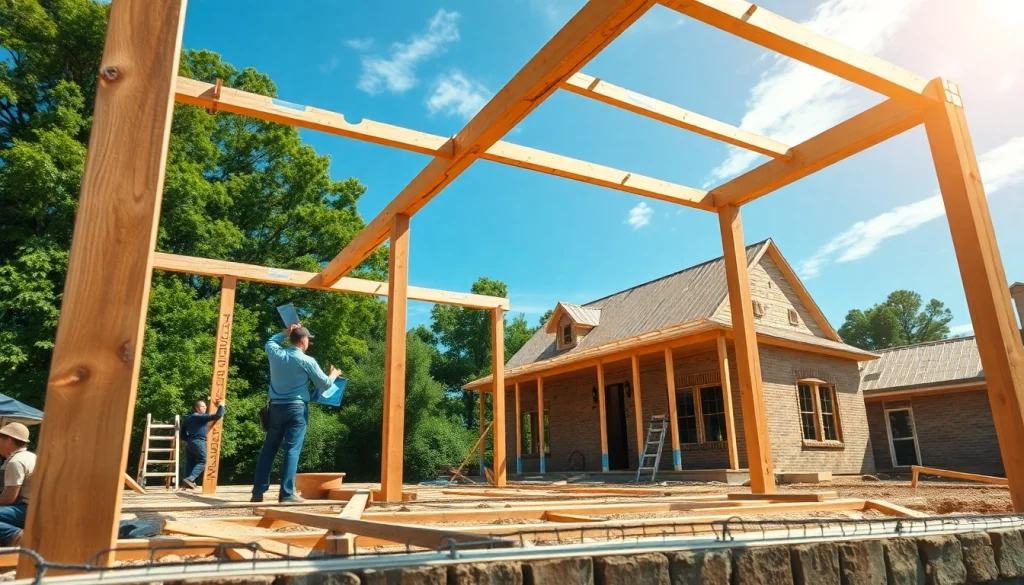
Understanding Colonial Home Construction
Colonial home construction refers to a style of architecture that embodies the rich history and tradition of early American settlers. These homes not only reflect a particular aesthetic but also represent a way of living that has evolved over centuries. Walking through the design principles and construction methods associated with colonial homes allows builders and homeowners to appreciate the historical context of this architectural style and its various adaptations. For those planning to embark on their own colonial home construction journey, understanding its fundamentals is essential. One excellent resource is colonial home construction, which provides insights into the intricacies involved in these timeless structures.
Historical Context and Significance
Colonial architecture emerged during the early days of American colonization, primarily influenced by European styles such as Georgian and Federal. These homes were built to accommodate the practical needs of their inhabitants while reflecting the aesthetics of the time. The historical significance of colonial homes lies in their embodiment of the early American spirit, merging functionality with beauty. Over the centuries, these structures have adapted to local climates and materials, creating a diverse yet recognizable style that continues to influence modern architecture.
Key Features of Colonial Homes
Colonial homes are characterized by several distinctive features that contribute to their charm and historical value. Key elements include symmetrical facades, central chimneys, and multi-pane double-hung windows. The use of clapboard siding and gable roofs, alongside decorative elements like pilasters and pediments, further enhances their architectural allure. Inside, colonial homes typically feature spacious layouts with defined separate areas for living, dining, and cooking. The design fosters a sense of openness while maintaining traditional divisions among spaces.
Modern Adaptations in Colonial Home Construction
While traditional colonial homes adhere closely to their historical roots, modern adaptations have emerged to meet contemporary lifestyle needs. Today’s colonial constructions may incorporate open floor plans, energy-efficient systems, and sustainable materials while still celebrating classic design elements. These adaptations allow homeowners to enjoy the aesthetics of colonial architecture without sacrificing modern convenience and environmental responsibility.
Planning Your Colonial Home Construction Project
Setting a Realistic Budget
Establishing a budget for your colonial home construction is crucial to avoid financial strain later in the process. Begin by calculating the overall costs, including land acquisition, materials, labor, permits, and interior finishes. Consider enlisting a financial consultant or architect to provide insights into the hidden costs associated with construction. A realistic budget should also include a contingency fund to address unexpected expenses that might arise.
Choosing the Right Location
The location of your colonial home can significantly influence both its value and the living experience it offers. Look for areas that are rich in history or have existing colonial-style homes, as these locations enhance the authenticity of your project. Access to essential amenities, schools, and recreational spaces should also factor into your decision, as these aspects contribute to the long-term livability of your home.
Design Considerations for Colonial Aesthetics
When designing your colonial home, it is essential to honor traditional aesthetics while incorporating modern necessities. Classic features such as gabled roofs, symmetrical windows, and detailed doorways should remain integral to the design. Consider using a color palette inspired by traditional homes of the colonial era, favoring muted and earthy tones. Engaging an architect experienced in colonial designs can facilitate the blending of historical homage with modern amenities, ensuring that your home is both attractive and functional.
Materials Used in Colonial Home Construction
Traditional Materials and Their Benefits
Colonial homes have historically used materials such as wood, brick, and stone. These materials not only provide structural integrity but also contribute to the aesthetic appeal. Timber framing, for example, offers durability and a sense of warmth that aligns perfectly with the colonial style. Bricks, often sourced locally, can create a classic facade that withstands the test of time. Stone foundations and accents further enhance the traditional look and improve energy efficiency through natural insulation.
Environmentally Friendly Options
As sustainability becomes increasingly important, many builders are turning to environmentally friendly materials for colonial home construction. Reclaimed wood, for example, provides the aesthetic charm of traditional timber while minimizing environmental impact. Additionally, using thermal mass materials like rammed earth or insulated concrete forms can enhance energy efficiency, ensuring your colonial home aligns with modern ecological standards.
Cost Analysis of Different Materials
When planning your construction project, understanding the cost implications of various materials is vital. Traditional materials like hardwood and brick may have higher initial costs but often offer long-term durability and minimal maintenance. Conversely, modern materials may initially be cheaper but could result in higher maintenance needs or energy costs in the long run. A comprehensive cost analysis should consider both short-term and long-term expenses to ensure a financially sound decision.
Construction Techniques for Colonial Homes
Framework and Structural Integrity
The construction process for colonial homes places a strong emphasis on structural integrity and traditional framing techniques. Timber framing, which utilizes large wooden beams, offers strength and aesthetic appeal. This method not only supports heavy loads but also allows for greater flexibility in design. It is essential to engage skilled craftsmen who can execute these traditional techniques faithfully to ensure that the finished product reflects the quality and durability expected of a colonial home.
Roofing Styles and Materials
Roofing is a critical aspect of colonial architecture. Traditionally, gable roofs with steep pitches made from cedar shingles or slate were common. These materials not only enhance the visual impact of the home but also provide adequate protection against the elements. In modern constructions, alternative materials such as metal roofing or environmentally friendly options like rubber can be explored, provided they maintain the aesthetic integrity of the colonial style.
Interior Finishes and Design
The interior of a colonial home should reflect the elegance and functionality of its exterior. Original colonial homes often featured hardwood floors, handcrafted moldings, and large fireplaces as central focal points. Modern adaptations can include open floor plans while still retaining traditional elements through finishes such as wainscoting, beamed ceilings, and period-appropriate hardware. The choice of color and decor should echo historical influences, balancing sophistication with homely comfort.
Common Challenges and Solutions in Colonial Home Construction
Navigating Local Building Regulations
Building a colonial home often involves navigating complex local regulations and zoning laws, which can be a significant challenge. Research the specific requirements in your locality regarding historical integrity and architectural style. Consulting with a local architect with expertise in colonial constructions can assist in ensuring compliance with regulations while executing your design vision.
Weather Considerations and Environmental Factors
Weather plays a crucial role in the design and construction of colonial homes. Depending on the region, homes may need to withstand heavy snow, rain, or high winds. It’s essential to choose materials and design elements that fit local weather conditions. For example, elevated foundations and sloped roofs help manage snow load and runoff effectively. Consulting with climate specialists can provide insights into best practices tailored for specific environmental challenges.
Finding Reliable Contractors for Your Project
One of the most daunting tasks in any construction project is finding the right contractors who understand the nuances of colonial home construction. Seek referrals from trusted sources and consider reviewing portfolios of past work. Engaging contractors who have specific experience in colonial homes will not only enhance the quality of your construction but ensure that traditional techniques and aesthetics are honored throughout the process.
Frequently Asked Questions
What are the main characteristics of colonial homes?
Key characteristics include symmetrical facades, gable roofs, central chimneys, and multi-pane windows, emphasizing traditional aesthetics.
What is the best location for building a colonial home?
Look for areas rich in history or that already feature colonial homes, which enhances the authenticity and value of your structure.
Are modern colonial homes energy-efficient?
Yes, modern adaptations often incorporate energy-efficient materials and systems while maintaining traditional design elements.
How do I set a budget for my colonial home construction?
Consider all costs including land, materials, labor, and permits, and include a contingency fund for unexpected expenses.
What materials are best suited for colonial home construction?
Traditional materials like wood, brick, and stone are ideal, but eco-friendly options like reclaimed wood and thermal mass materials are also recommended.