
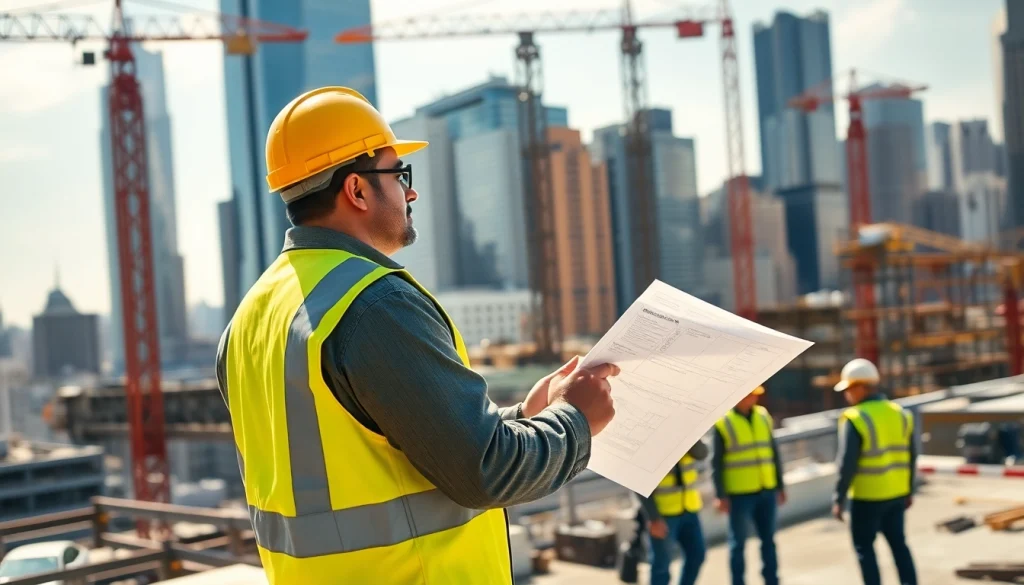
Understanding the Role of a New York City Construction Manager
The role of a New York City Construction Manager extends beyond mere oversight of construction projects. These professionals serve as the heartbeat of urban development projects, seamlessly integrating their expertise in planning, coordination, and execution. As urban landscapes continue to evolve, the significance of the construction manager in New York City becomes increasingly pronounced, ensuring that projects are delivered efficiently, within budget, and to the highest standards of quality.
Key Responsibilities and Skills
A New York City Construction Manager plays a multi-faceted role characterized by various responsibilities and a unique skill set:
- Project Planning: Developing comprehensive project plans that align with the client’s vision and regulatory requirements.
- Budget Management: Creating detailed budgets that accurately reflect project costs, including materials, labor, and unforeseen expenses.
- Scheduling: Establishing timelines and milestones to track progress and ensure timely project completion.
- Team Leadership: Managing diverse teams of subcontractors, laborers, and consultants to facilitate collaboration and productivity.
- Problem-Solving: Addressing challenges that arise on-site with prompt and effective solutions.
Additionally, essential skills like communication, negotiation, and a strong understanding of construction methodologies are vital for success in this role.
The Importance of Project Management in Construction
Project management serves as the backbone of successful construction initiatives. By employing robust project management methodologies, a New York City Construction Manager can:
- Ensure alignment between project objectives and the client’s expectations.
- Facilitate effective risk management, reducing the likelihood of delays and cost overruns.
- Optimize resource allocation, improving efficiency and minimizing waste.
Implementing tools such as Gantt charts and project management software can further enhance the capacity of construction managers to monitor progress and adjust strategies as needed.
Collaboration with Stakeholders and Teams
The success of any construction project hinges on the ability to foster collaboration amongst all stakeholders including clients, architects, engineers, and contractors. A construction manager must:
- Communicate effectively to ensure everyone is on the same page.
- Negotiate contracts with subcontractors and vendors to secure favorable terms.
- Coordinate with regulatory bodies to ensure compliance with local laws and ordinances.
Strong collaboration leads to smoother project flows, minimizes conflicts, and enhances overall project quality.
Planning and Design in Construction Projects
Effective Budgeting and Resource Allocation
Successful construction projects begin with meticulous budgeting practices. The New York City Construction Manager must forecast costs and allocate resources effectively to ensure financial viability. This involves:
- Conducting market research to estimate accurate costs for materials and labor.
- Establishing a contingency fund to address unforeseen expenses.
- Regularly updating budgets to reflect actual expenses and resource use.
By doing so, construction managers can prevent financial shortfalls and keep projects on track.
Navigating Regulatory Compliance and Permits
In a bustling metropolis like New York City, navigating complex regulatory frameworks is vital. Construction managers must ensure projects comply with zoning laws, building codes, and safety regulations. Key strategies include:
- Conducting thorough reviews of local regulations before project initiation.
- Establishing relationships with local officials and regulatory agencies.
- Implementing ongoing training for teams to stay updated on compliance issues.
This proactive approach minimizes delays and avoids costly fines.
Incorporating Sustainable Practices
Sustainability is increasingly important in construction. A New York City Construction Manager emphasizes eco-friendly practices, which may include:
- Using sustainable materials to reduce environmental impact.
- Implementing energy-efficient designs to lower operational costs.
- Promoting waste reduction practices during construction.
These efforts not only protect the environment but also resonate positively with clients and stakeholders, enhancing the reputation of the construction firm.
Execution Strategies for Successful Construction
Timeline Management for Urban Projects
Urban construction projects often face tight deadlines and numerous external pressures. A New York City Construction Manager must develop robust timeline management strategies to:
- Break down the project into manageable phases, allowing for regular assessment of progress.
- Utilize project management software to create dynamic timelines that adapt to project changes.
- Coordinate closely with field teams to address delays promptly and realign activities as necessary.
The ability to adapt and pivot as situations arise is a hallmark of effective leadership in construction management.
Safety Protocols and Risk Management
Establishing stringent safety protocols is paramount in construction. Managers are responsible for ensuring a safe working environment by:
- Conducting safety training sessions for all workers.
- Maintaining regular safety audits to identify and mitigate risks.
- Implementing a comprehensive risk management plan that addresses potential hazards.
Prioritizing safety not only protects workers but also reduces liability and project delays.
Building Relationships with Contractors and Workers
A successful construction manager recognizes that strong relationships with subcontractors and workers are essential for project success. Strategies include:
- Fostering open communication to ensure concerns are addressed in real-time.
- Recognizing and rewarding good performance to motivate teams.
- Creating a collaborative culture that values input from all project participants.
These relationships contribute to a positive work environment and better project outcomes.
Challenges Faced by New York City Construction Managers
Dealing with Urban Regulations and Zoning Laws
Construction managers in New York City encounter a myriad of regulations that can impact project progress. Understanding and navigating these regulations requires:
- Staying informed about changes in local laws and zoning ordinances.
- Working closely with legal counsel to interpret complex regulations.
- Engaging community stakeholders to address concerns about new developments.
This knowledge is crucial to avoiding delays and ensuring project success.
Adapting to Market Fluctuations in Construction
The construction industry is susceptible to market fluctuations that can impact availability and costs. Construction managers must be adaptable by:
- Monitoring market trends and adjusting budgets as needed.
- Developing relationships with multiple suppliers to mitigate risks associated with shortages.
- Creating flexible project timelines to accommodate potential delays.
These strategies ensure projects remain on track despite external pressures.
Overcoming Supply Chain Disruptions
Supply chain disruptions pose significant challenges for construction projects. To combat these issues, a New York City Construction Manager should:
- Establish diversified sourcing strategies to minimize reliance on single suppliers.
- Maintain an inventory of essential materials on-site to address immediate needs.
- Communicate proactively with suppliers about production timelines and availability.
By adopting these approaches, managers can navigate supply chain challenges effectively and maintain project momentum.
Future Trends in Construction Management
The Impact of Technology on Urban Development
As the construction industry continues to evolve, technology is becoming an integral part of project management. Emerging technologies like Building Information Modeling (BIM), drones, and automated project management software enable construction managers to:
- Enhance visualization and planning through 3D modeling.
- Conduct site surveys more efficiently using drones.
- Streamline communication and collaboration with cloud-based tools.
These advancements lead to improved accuracy, increased productivity, and reduced costs across projects.
Importance of Continuing Education and Skills Upgradation
To remain competitive, construction managers must prioritize ongoing education and professional development. This can involve:
- Attending industry conferences to learn about new trends and technologies.
- Enrolling in workshops focused on advanced project management techniques.
- Pursuing certifications that enhance credibility and expertise.
Continuing education ensures construction managers have the skills necessary to adapt to an ever-changing industry landscape.
Future-Proofing Projects Against Urban Challenges
To mitigate risks associated with urban development, a New York City Construction Manager should focus on future-proofing strategies such as:
- Integrating flexible designs that can adapt to changing community needs.
- Implementing smart building technologies to improve energy efficiency and operational costs.
- Engaging with community organizations to align projects with neighborhood goals.
By proactively addressing potential challenges, construction managers can ensure their projects remain relevant and beneficial to the community.
Frequently Asked Questions
What does a New York City Construction Manager do?
A New York City Construction Manager oversees construction projects, managing schedules, budgets, and teams to ensure successful outcomes.
How does budgeting work in construction?
Budgeting in construction involves estimating costs for materials, labor, and permits, and managing finances to avoid overruns.
What are common challenges in construction management?
Challenges include regulatory compliance, supply chain disruptions, and managing diverse teams in a fast-paced urban environment.
How can technology improve construction management?
Technology enhances project management efficiency through tools like project management software, drones for site surveys, and BIM for design.
Why is sustainability important in construction?
Sustainability reduces environmental impact and can lead to cost savings, making it essential for modern construction practices.