
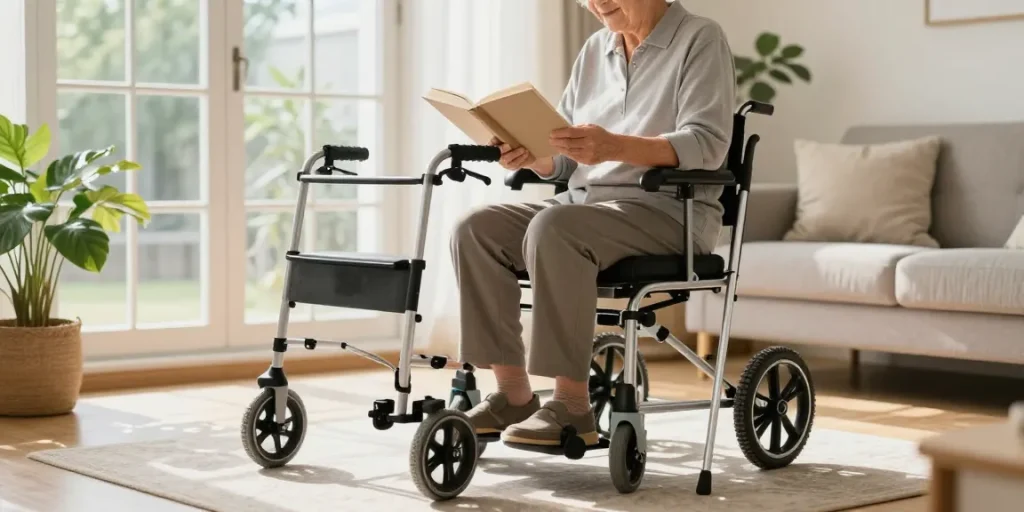
Understanding Nobility Aids and Their Benefits
Nobility aids are essential tools designed to enhance mobility and independence, particularly for individuals experiencing difficulties in movement. These aids encompass a variety of devices, such as walkers, canes, wheelchairs, and scooters, which cater to different mobility needs. As the population ages and more individuals face physical challenges, the demand for effective mobility solutions continues to rise. When exploring options, buy nobility aids for yourself or a loved one can make a significant impact on quality of life, enabling greater freedom and participation in daily activities.
What Are Nobility Aids?
Nobility aids refer to a broad range of assistive devices designed to aid individuals with mobility challenges. These aids can assist users in walking, transferring between surfaces, or providing stability and support. Some common types of nobility aids include:
- Walkers: Equipped with four legs and often wheels, walkers provide stability for those who can bear weight but need support.
- Canes: Canes are single-pole mobility aids that help with balance and support while walking.
- Wheelchairs: Available in both manual and electric versions, wheelchairs allow individuals to move independently when walking is not an option.
- Scooters: Mobility scooters are electric vehicles designed for those who have trouble walking long distances but still want to navigate their environments.
- Stairlifts: Installed in homes, stairlifts assist individuals in moving between floors when stairs pose a challenge.
Key Benefits of Using Nobility Aids
The benefits of using nobility aids are numerous and impactful. Here are some key advantages:
- Enhanced Independence: Mobility aids empower users by allowing them to move freely, participate in activities, and carry out daily tasks without constant assistance.
- Improved Safety: These aids can reduce the risk of falls and injuries, providing crucial support to those who may be unsteady on their feet.
- Increased Mobility: With the right aid, individuals can access places that may have been difficult to reach without assistance, thereby improving their quality of life.
- Social Interaction: Enhanced mobility enables users to engage more fully in social activities and communities, reducing feelings of isolation.
Who Can Benefit from Nobility Aids?
Nobility aids are ideal for a wide range of individuals, including:
- The Elderly: As people age, physical capabilities often decline, making mobility aids essential for maintaining independence.
- Person with Disabilities: Individuals with temporary or permanent disabilities can benefit greatly from mobility aids tailored to their specific needs.
- Post-Surgery Patients: After surgery, especially related to joints and mobility, individuals may require aids to support their recovery and regain independence.
- Individuals with Chronic Conditions: Conditions like arthritis, Parkinson’s disease, or multiple sclerosis can significantly affect mobility, making nobility aids invaluable.
Choosing the Right Mobility Aid
Factors to Consider When Buying Nobility Aids
Selecting the right nobility aid involves several considerations to ensure it meets the user’s needs:
- User’s Mobility Level: Assessing how much mobility the individual currently has will help determine the type of aid necessary.
- Weight Capacity: Ensure the aid can support the weight of the user comfortably and securely.
- Type of Terrain: Consider if the aid will be used indoors, outdoors, or both, as this will affect its design and features.
- Adjustability: The ability to adjust features such as height and support levels can enhance usability and comfort.
- Portability: If the user needs to transport the aid, consider lightweight and foldable options.
Common Types of Mobility Aids and Their Uses
Understanding the different types of mobility aids can help individuals choose the best option for their specific situation:
- Walkers: Best for individuals requiring more support than a cane offers but who can still bear weight.
- Canes: Ideal for those who need minimal assistance and enhances balance while walking.
- Wheelchairs: Suitable for individuals unable to walk or for long-distance travel.
- Scooters: Effective for those who want to travel independently without straining themselves.
- Stairlifts: Provide safe access between levels in a home, promoting independence.
How to Assess Your Needs for Nobility Aids
Determining the right mobility aid starts with a thorough assessment:
- Consultation with a Healthcare Professional: Always seek advice from healthcare providers, as they can recommend suitable aids based on medical conditions.
- Trial Period: Whenever possible, try out various aids to determine comfort and ease of use.
- Feedback from Users: Gathering insights from those who regularly use mobility aids can greatly inform your choice.
Where to Buy Nobility Aids
Top Online Retailers for Nobility Aids
With the growth of e-commerce, many online retailers specialize in nobility aids. Some reputable options include:
- Amazon: Offers a wide selection of mobility aids with customer reviews for informed decisions.
- MobilityWorks: Features a range of products from mobility scooters to stairlifts.
- Vive Health: Provides quality mobility products designed for comfort and effectiveness.
Local Stores and Showrooms for Mobility Aids
In addition to online options, many stores allow customers to inspect and test products in person. Stores specializing in home medical supplies often carry mobility aids:
- Medical Equipment Suppliers: Local suppliers often have knowledgeable staff who can assist with product selection.
- Pharmacies: Many pharmacies carry essential mobility aids, including canes and walkers.
- Big Box Retailers: Stores like Walmart and Target occasionally have mobility products available.
How to Compare Prices and Features
When comparing mobility aids, consider the following steps:
- Research: Use online reviews and product comparisons to understand the pros and cons.
- Feature Assessment: Focus on essential features that meet the user’s specific requirements.
- Warranty and Support: Ensure the product comes with a warranty and accessible customer support.
Maintaining Your Nobility Aids
Regular Maintenance Tips for Longevity
To ensure the longevity and safety of nobility aids, regular maintenance is key:
- Routine Inspections: Regularly check for any signs of wear or damage.
- Cleaning: Keep mobility aids clean and free from debris to ensure hygiene and functionality.
- Lubrication: For mechanical parts, use appropriate lubricants to prevent rust or sticking.
Safety Considerations When Using Nobility Aids
Safety is paramount when using mobility aids. Consider the following:
- Proper Use: Always follow the manufacturer’s instructions for use and adjustments.
- Environment Awareness: Be conscious of surroundings and ensure paths are clear.
- Check for Stability: Before use, ensure that any aid is stable and secure to avoid accidents.
When to Replace Your Mobility Aids
Knowing when to replace a mobility aid is crucial for safety and effectiveness:
- Visible Damage: If an aid shows signs of deterioration or structural damage, it should be replaced.
- Changing Needs: If the user’s mobility needs change, an alternative aid may be more suitable.
- Performance Issues: If the aid is not functioning as intended, it may require replacement or service.
Future Trends in Mobility Aids
Innovations to Look For in 2026
The future of nobility aids is promising, with innovations aimed at improving user experience. Some noteworthy trends include:
- Smart Technology: Integration of technology like sensors and GPS for enhanced navigation and safety.
- Customization: Advances in 3D printing may allow for personalized aids tailored to individual needs.
- Lightweight Materials: Development of stronger, lighter materials for easier transportation and use.
Sustainable Practices in the Mobility Aid Industry
As sustainability becomes increasingly important, the mobility aid industry is shifting towards more eco-friendly practices:
- Recyclable Materials: Manufacturers are exploring the use of recyclable materials in production.
- Durability Focus: Designing products that last longer to reduce waste and the need for frequent replacements.
- Energy Efficiency: Electric mobility aids are being designed to utilize energy more efficiently, reducing environmental impact.
Predictions for the Future of Nobility Aids
As we look to the future, the mobility aid industry is expected to evolve significantly:
- Increased Accessibility: Continued efforts will be made to ensure mobility aids are accessible to all demographics.
- Enhanced User Experience: User feedback will drive innovations focusing on comfort, usability, and effectiveness.
- Collaborative Development: Partnerships between healthcare professionals, product designers, and users will lead to better-designed aids.
Can you get mobility aids for free?
Many individuals may qualify for financial assistance or free mobility aids through various programs, such as community health services or health insurance coverage. It is advisable to check with local health authorities and organizations to explore available options.
How to choose the right mobility aid for seniors?
Choosing the right mobility aid for seniors involves assessing their specific health conditions, mobility requirements, and preferences. Consulting with health professionals and considering aids that are adjustable, lightweight, and easy to use are crucial steps.
What are the most popular types of mobility aids?
Popular types of mobility aids include canes, walkers, wheelchairs, scooters, and stairlifts, each designed to cater to different needs and levels of mobility.
Are there mobility aids specifically designed for elderly people?
Yes, many mobility aids are specifically designed for elderly users, focusing on ease of use, safety, and comfort. These aids often feature lightweight materials and intuitive controls.
How to assess if you need mobility aids?
Assessing the need for mobility aids involves evaluating one’s ability to walk independently, the frequency of falls, stability while walking, and any existing health issues that may impair mobility. A consultation with a healthcare provider can provide a comprehensive evaluation.