
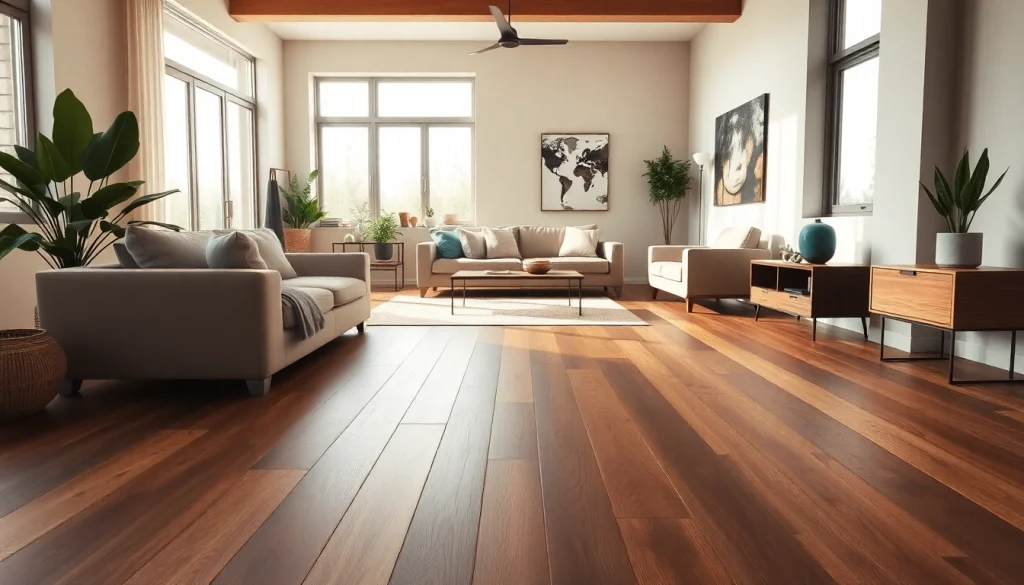
Understanding Best LVP Flooring
What is LVP Flooring?
LVP, or Luxury Vinyl Plank, is a flooring material designed to mimic the appearance of traditional wood or stone flooring while offering enhanced durability and functionality. Composed of multiple layers, including a durable wear layer, a high-definition print layer, and a resilient backing, LVP flooring stands out for its aesthetic appeal and performance under various conditions. One of the key factors elevating its popularity in modern homes is the ability to achieve the desired look without sacrificing practicality.
Key Benefits of Best LVP Flooring
The best lvp flooring offers a plethora of advantages that make it a favored choice among homeowners and designers alike. These benefits include:
- Durability: LVP is designed to withstand the wear and tear of daily life, making it an excellent choice for families and high-traffic areas.
- Water Resistance: With water-resistant properties, LVP is suited for kitchens, bathrooms, and basements, alleviating worries about moisture damage.
- Variety of Designs: LVP comes in an array of styles, colors, and textures, providing homeowners with numerous options to match their aesthetic preferences.
- Easy Maintenance: Cleaning LVP is straightforward; routine sweeping and occasional mopping suffice to keep it looking pristine.
- Comfort Underfoot: Unlike traditional hardwood or tile, LVP offers a slight cushioning that makes walking easier on the feet and joints.
Different Styles and Designs
Modern LVP flooring comes in a wide variety of styles that can suit any decor. From rustic wood looks to sleek stone finishes, there is something for every taste. Some popular design options include:
- Wood-Look Planks: These mimic the texture and grain of real wood, adding warmth to spaces.
- Stone-Look Tiles: Designed to replicate natural stone, these provide a sophisticated ambiance.
- Patterned Vinyl: Bold designs can add character to a room, allowing for creativity in styling.
- Wide Planks: Offering a contemporary flair, wide planks create a modern look with fewer seams.
Choosing the Right Best LVP Flooring
Factors to Consider
When selecting the best lvp flooring, several critical factors should influence your decision:
- Thickness: Thicker planks are typically more durable and sound-absorbent, enhancing comfort.
- Wear Layer: A thicker wear layer ensures higher resistance to scratches and stains, ideal for busy households.
- Design Options: Consider how the color and style will complement your existing decor.
- Installation Method: Choose between glue-down, click-lock, or loose lay options based on your expertise and budget.
Comparing Quality and Price
Not all LVP flooring is created equally; varying quality levels can affect price points significantly. Evaluating the price versus quality relationship is crucial for making a wise investment. Key elements to assess include:
- Brand Reputation: Established brands with a strong market presence tend to offer higher quality products.
- Customer Reviews: Analyzing user feedback can provide insight into the product’s durability and overall satisfaction.
- Warranty Offerings: Look for longer warranties, as they often indicate quality assurance from the manufacturer.
Eco-Friendly Options
As environmental awareness grows, many manufacturers produce best lvp flooring using recycled materials and sustainable practices. When shopping for eco-friendly options, consider:
- Low VOC Products: Volatile Organic Compounds (VOCs) can contribute to indoor air pollution; opting for products labeled as low VOC is beneficial.
- Recycled Content: Some LVP products incorporate recycled materials in their composition, reducing environmental impact.
- Certifications: Look for certifications such as FloorScore or GreenGuard, which demonstrate commitment to environmental standards.
Installation Process for Best LVP Flooring
Preparation Steps
Proper preparation is crucial for a successful LVP installation. Here are the essential steps to follow:
- Assess the Subfloor: Ensure it is clean, dry, and free from imperfections, as any irregularities can affect the LVP’s performance.
- Acclimate the Planks: Allow LVP to acclimate in the installation area for at least 48 hours to prevent expansion or contraction issues.
- Gather Tools: Have all necessary tools, including a utility knife, measuring tape, spacers, and a tapping block, readily available.
Professional vs. DIY Installation
Choosing between professional installation and a DIY approach depends on your skill level and available resources. Here’s a comparison:
- Cost: DIY will generally save money on labor costs, but may require additional investment in tools or learning resources.
- Expertise: Professionals bring experience and can navigate complex installations, ensuring a flawless finish.
- Time: DIY can take significantly longer if you are inexperienced, while professionals can often complete the job efficiently.
Common Mistakes to Avoid
To ensure the longevity of your LVP flooring, be mindful of these common installation mistakes:
- Skipping the Underlayment: An underlayment is vital for sound absorption and moisture protection.
- Not Leaving Expansion Gaps: Failing to leave adequate space for expansion along walls can lead to buckling.
- Improper Cutting: Using dull blades or the wrong technique can lead to jagged edges and uneven seams.
Maintaining Best LVP Flooring
Cleaning and Care Tips
Proper maintenance will enhance the lifespan of your best lvp flooring. Here are essential cleaning tips:
- Routine Cleaning: Sweep or vacuum regularly to remove dust and debris.
- Mopping: Use a damp mop with a pH-neutral cleaner for deep cleaning; avoid harsh chemicals that can damage the surface.
- Spot Cleaning: Clean spills immediately to prevent stains, using a soft cloth and gentle cleaning solution.
Long-Lasting Protection Techniques
To further protect your LVP flooring, consider these long-term strategies:
- Furniture Pads: Use felt pads under furniture legs to prevent scratches and dents.
- Area Rugs: Placing rugs in high-traffic areas can shield LVP from excessive wear.
- Regular Inspections: Routinely check for signs of damage and address issues promptly to prevent escalation.
When to Hire Professionals
While many homeowners may be inclined to DIY, there are situations where hiring professionals is beneficial:
- Complex Layouts: If your space has intricate layouts or many transitions, a professional might better handle the complexities.
- Subfloor Issues: If the subfloor requires significant preparation or repair, a professional can ensure it is done correctly.
- Lack of Time: If your schedule is tight, hiring professionals can save you the hassle and potential for costly mistakes.
Real-Life Examples and Reviews
Customer Testimonials on Best LVP Flooring
Hearing from others can provide valuable insights into the benefits and challenges of LVP flooring. Testimonials frequently highlight:
- Ease of Maintenance: Many users appreciate how simple it is to keep their floors clean and presentable.
- Durability: Homeowners often remark on LVP’s ability to withstand pets and children’s activities without visible wear.
- Visual Appeal: Numerous customers emphasize how real wood and stone interpretations enhance their decor.
Case Studies of Successful Installations
Examining case studies can provide insights into practical applications and achievements in LVP flooring installations. Key takeaways often include:
- Transformative Results: Homeowners report significant improvements in aesthetics and value after installing LVP.
- Innovative Use: Some use LVP creatively across various areas in their homes, showcasing its versatility.
- Long-Term Performance: Many installations have maintained their original look after several years of use, impressing residents with continuous quality.
Comparative Analysis of Popular Options
When comparing LVP products, consider factors like durability, design options, and price. By evaluating these elements, you can determine which product meets your specific needs. Key attributes include:
- Design Variety: Some brands offer unique patterns or textures that can enhance specific design aesthetics.
- Warranty Levels: Strong warranties often indicate a manufacturer’s confidence in product performance.
- Installation Method: Choose products with installation methods suited to your skill level and preferences.
FAQs
What are the advantages of LVP flooring?
Best lvp flooring offers durability, water resistance, and a vast range of designs, making it ideal for various settings.
How do I install LVP flooring?
Installation can be done either by professionals or as a DIY project, following proper preparation and guidelines.
What maintenance does LVP flooring require?
Best lvp flooring requires regular cleaning with a damp mop and occasional polishing to maintain its luster.
Is LVP flooring eco-friendly?
Many types of best lvp flooring are made from recycled materials and produced with minimal environmental impact.
Can LVP flooring be installed over existing floors?
Yes, best lvp flooring can often be installed over existing flooring, provided the surface is level and sound.