
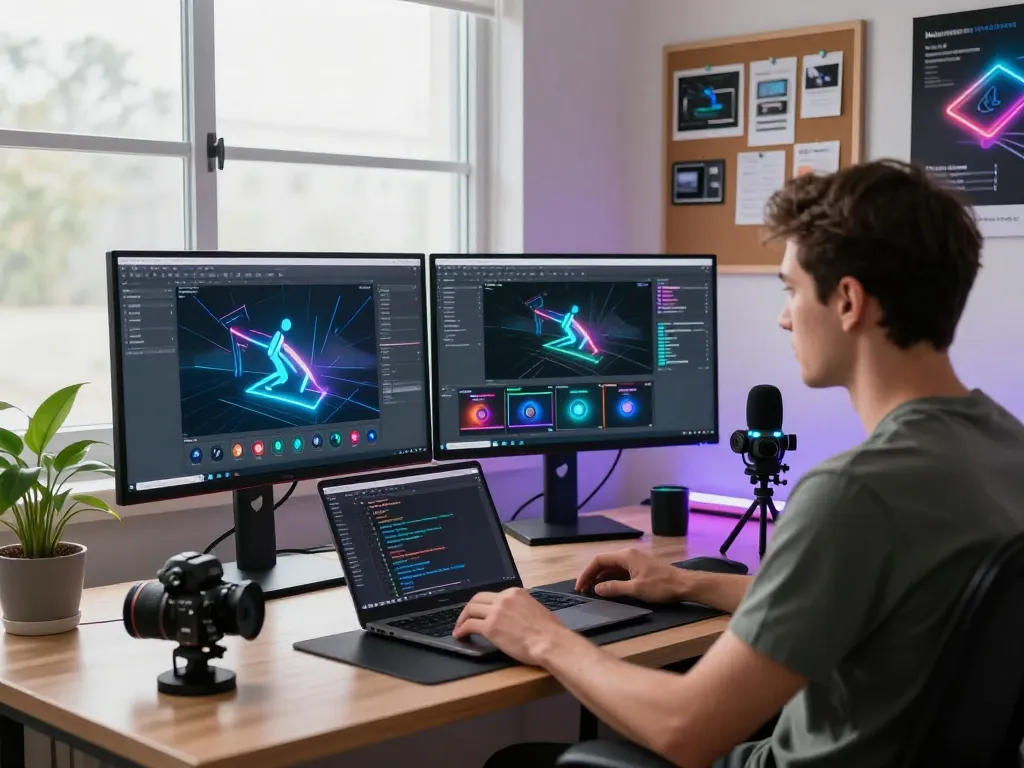
Understanding Kling Motion AI: A Comprehensive Overview
Kling Motion AI represents a significant leap in the world of video generation, enabling creators to transform static images into dynamic, engaging videos. With its advanced algorithms and intuitive interface, it streamlines the video creation process, making it accessible for professionals and enthusiasts alike. When exploring options, Kling motion ai provides comprehensive insights into how motion control can elevate your content. This article delves into the functionalities and benefits of Kling Motion AI while offering practical guidance for effective utilization.
What is Kling Motion AI?
Kling Motion AI is an innovative image-to-video conversion tool powered by cutting-edge artificial intelligence. It allows users to upload a reference image along with a motion video, which the system then analyzes to generate a new video that mimics the desired movement. This technology harnesses deep learning techniques to understand the intricacies of human motion, ensuring that the animation appears natural and coherent.
How Does Kling Motion AI Work?
The operation of Kling Motion AI is based on a straightforward three-step process: image upload, reference video integration, and video generation. Users begin by uploading a full-body or half-body character image, followed by a reference video that outlines the desired motion behavior. The AI then processes these inputs to create a video that reflects the character’s actions and expressions with astonishing fidelity.
Key Features of Kling Motion AI
- Accurate Motion Path Control: Users can define precise motion paths, ensuring that actions follow intended directions.
- Rapid Video Generation: The platform is optimized for quick rendering, allowing users to generate videos in mere minutes.
- Photorealistic Output: Kling Motion AI produces high-quality videos with realistic lighting and textures, closely resembling traditional CGI.
- Full-Body Synchronization: The system maintains character proportions and consistency throughout the video, avoiding visual drift.
- Cinematic Camera Control: Users can manipulate camera transitions, zooms, and pans to create compelling visual stories.
Getting Started with Kling Motion AI
Setting Up Your Workspace for Optimal Use
Before diving into the creative process, ensure your workspace is conducive to utilizing Kling Motion AI effectively. A well-lit space with a computer that has a good graphics processor will enhance your experience. Additionally, familiarize yourself with the software interface to navigate features seamlessly.
Essential Tools and Requirements
To utilize Kling Motion AI, you will need a reliable internet connection, a computer capable of handling high-definition video processing, and access to the AI tool itself. It’s also beneficial to have a collection of high-quality images and motion references ready to use.
First Steps: Uploading Images and Video Clips
To start creating videos, upload a suitable character image—either full-body or half-body. Ensure the image has a visible background, as this will help the AI in accurately generating motion. Next, select and upload a reference motion video that complements your character. The combination of these elements will set the foundation for a successful video generation.
Techniques for Effective Video Generation
Using Text Prompts to Enhance Motion
Text prompts are a powerful feature within Kling Motion AI. By describing the expected actions, atmosphere, or visual details, users can guide the AI in generating more tailored results. For example, if you want a character to express joy during a video segment, including prompts like “happy dance” can refine the output significantly.
Tips on Selecting Reference Images and Videos
Selecting the right reference materials is crucial for achieving convincing results. Opt for videos with clear, deliberate motion, as this helps the AI understand the expected behavior. When choosing images, ensure they match the action orientation—full-body images should pair with full-body motion clips to maintain synchronization.
Understanding Motion Paths and Character Synchronization
Character synchronization is pivotal in creating believable videos. Kling Motion AI excels in this area by ensuring that each character’s movements align with the provided reference. Users should pay attention to motion paths, ensuring they are clearly defined to facilitate the most accurate representation of actions.
Common Challenges and Solutions in Motion Control AI
Addressing Visual Drift and Character Identity Preservation
One common challenge with motion generation is visual drift, where characters can appear distorted over time. Kling Motion AI is engineered to preserve character identity throughout the animation, maintaining facial features and proportions without significant variance. Regular adjustments to input parameters can further mitigate this issue.
Speeding Up Video Generation Processes
While Kling Motion AI is designed for speed, users can further enhance efficiency by optimizing their workflow. Prepare images and videos in advance and utilize batch processing when applicable, to minimize the time spent on repetitive tasks.
Troubleshooting Common Issues with Kling Motion AI
Should you encounter issues during video generation, such as unsatisfactory output quality, revisit your input files. Ensure that your reference video is of high quality and that the character images are well-lit. Providing detailed text prompts can also help limit discrepancies in the final video.
The Future of Motion Control AI in Content Creation
Emerging Trends and Innovations for 2026
The motion control AI landscape is rapidly evolving, with advancements expected to enhance the quality and efficiency of video generation. Innovations may include improved machine learning algorithms that allow for more sophisticated rendering techniques, resulting in even more lifelike animations.
Integrating Motion AI into Commercial Projects
As motion control AI technology improves, its integration into commercial projects becomes increasingly viable. Industries like advertising, film, and education can leverage the capabilities of Kling Motion AI to produce high-quality visual content that resonates with audiences. Its potential for cost-effective and rapid video production positions it as a valuable tool for businesses looking to innovate in their visual storytelling.
Case Studies: Successful Applications of Kling Motion AI
Numerous creators have successfully utilized Kling Motion AI in diverse projects, from animated marketing campaigns to educational content. For instance, a recent campaign by a prominent brand showcased product features through engaging animations generated from static images, resulting in increased viewer engagement and interaction.
Can Kling Motion AI be used for Commercial Projects?
Yes, Kling Motion AI is suitable for commercial projects. It offers the flexibility and quality required for professional-grade outputs, allowing businesses to create impactful videos that can enhance brand visibility and audience reach.
How Fast is Video Generation with Kling Motion AI?
The speed of video generation with Kling Motion AI is impressive. Users can typically expect to generate videos in a matter of minutes, thanks to its optimized processing capabilities. This rapid turnaround time facilitates quick iterations and adjustments, a crucial aspect in fast-paced production environments.
What Image Settings Produce the Best Results?
For optimal results, it is advisable to use high-resolution images. Ensure that the subject is centrally framed and that there’s minimal background noise to help the AI focus on the character. Additionally, images should be well-lit to capture detail, promoting better motion transfer in the generated video.
Does Kling Motion AI Support Facial Expression Changes?
Indeed, Kling Motion AI can capture and animate facial expressions, enhancing the emotional depth of generated videos. By utilizing nuanced text prompts and high-quality reference videos, users can direct the AI to manifest specific emotional states, ensuring that characters display appropriate reactions and expressions throughout the animation.
Is Kling Motion AI Worth the Investment?
Given its extensive feature set and the potential for high-quality output, Kling Motion AI is considered a worthy investment for creatives looking to elevate their video production capabilities. The platform’s ability to bridge the gap between static images and dynamic storytelling makes it invaluable for both individual creators and corporate entities alike.